Dunn Farm Corn to Whiskey
Dunn Farm
Cherokee County, Iowa
Heritage Farm
The Jackson-Dunn Heritage Farm of Cherokee County - Settled May 12, 1873
The reasons families left their homes during pioneer times were many, but few were as compelling as those that brought the Edward Jackson family from Michigan to the prairies of Cherokee County, Iowa, in 1873.
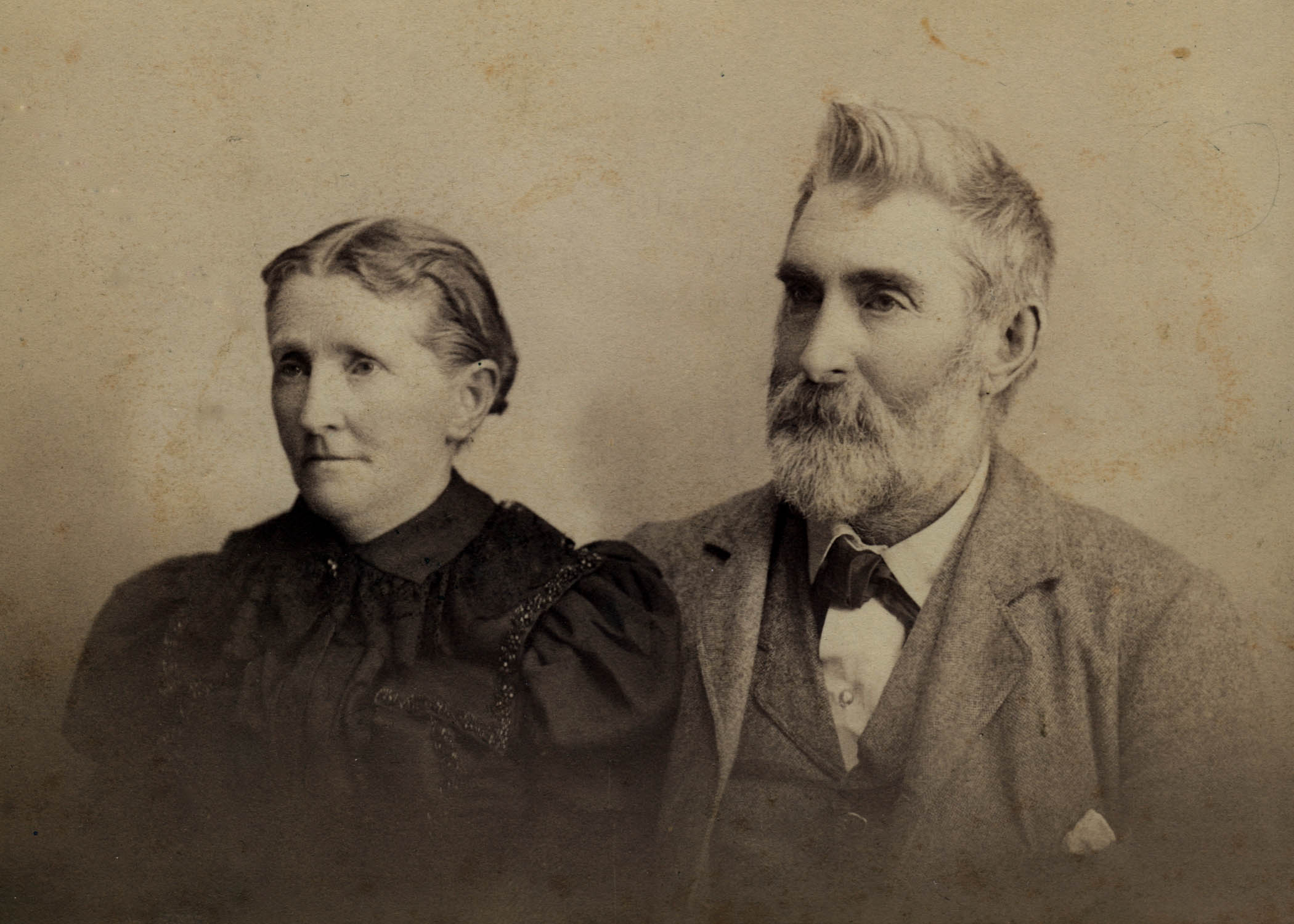
Edward Jackson was born in London, England, in 1832 and immigrated to America in 1858. In 1866 he married Catherine “Nina” Smith, an emigrant from Dublin, Ireland. The newlyweds settled in Michigan, where Edward became a successful capitalist in the timber and mining industries.
Their prosperity vanished suddenly when a massive forest fire swept through the timberlands surrounding their home. By 1872 the couple had four young children, and when the fire came, they escaped with their lives only by taking refuge in a nearby lake. For three days and nights they stayed in the water, periodically ducking beneath the surface to escape the heat and smoke. When it was finally safe to leave, they crawled across charred ground to reach safety.
After such devastation, Nina had little difficulty persuading Edward that life in Iowa’s open farmland would be safer than returning to the timber country. On May 12, 1873, they purchased 80 acres near Meriden for $10 an acre, along with an additional 240 acres from a railroad company. Over time, their holdings grew to more than 1,200 acres.
A new home was built, and four more children were born in Iowa—Thomas, Mary Frances, Margaret, and Joseph—joining the older siblings Edward Jr., William, Katherine, and John, who had been born in Michigan. Ironically, the family’s first Iowa home was later destroyed when a passing train sparked a prairie fire only half a mile from the homestead. A larger home replaced it to accommodate the growing family.
The Jacksons became known for their extensive cattle operation. Cattle grazed the tall prairie grasses—sometimes so tall the animals were nearly hidden. A Swiss bell was tied to one animal so the herd could be located, and horseback riders stayed with them on the open range. Mary, one of the Jackson daughters, recalled riding the prairie as a girl to help manage the cattle. She told of being so small that if she needed to get off the horse for any reason throughout the day, she had to find a buffalo wallow (a depression in the dirt made by a buffalo rolling around) to have the horse stand in so she could reach the ground to dismount and remount the horse.
While his children, particularly his older sons, largely ran the farm, Edward Jackson traveled extensively across the U.S. by railroad to acquire mines and pursue other entrepreneurial operations. For a man of his time, Edward Jackson gathered an extensive list of property holdings, deeds, and titles in locations spanning from Colorado Springs, CO to San Francisco, CA to San Antonio, TX.
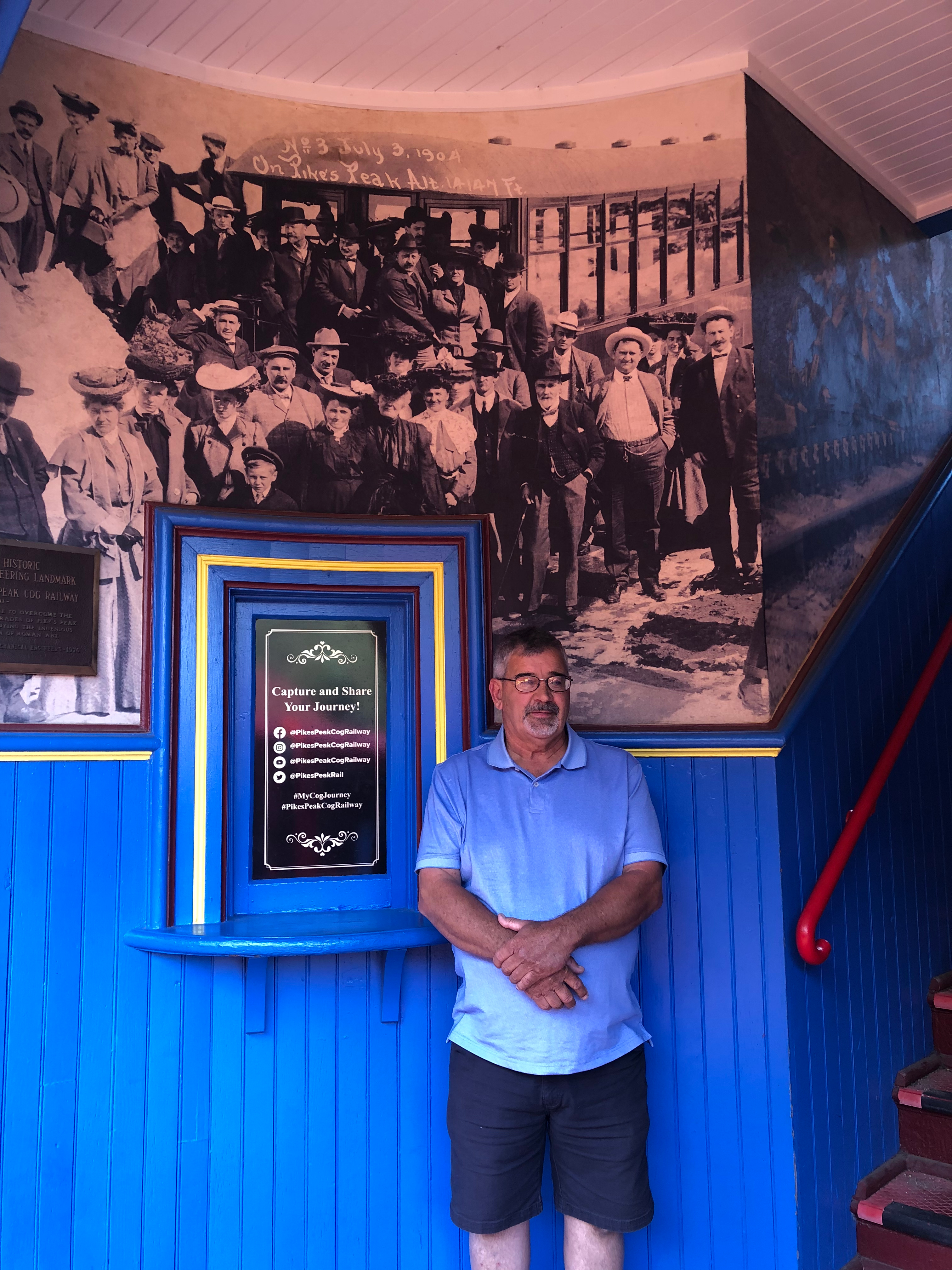
In 2022, Edward Jackson’s great-grandson, Doug Dunn, was astonished to recognize Jackson on a mural image at the site of The Broadmoor Manitou and Pikes Peak Cog Railway in Colorado while on vacation. Much of Edward Jackson’s business dealings outside of the farm have largely been lost to time, with some disparate records remaining.
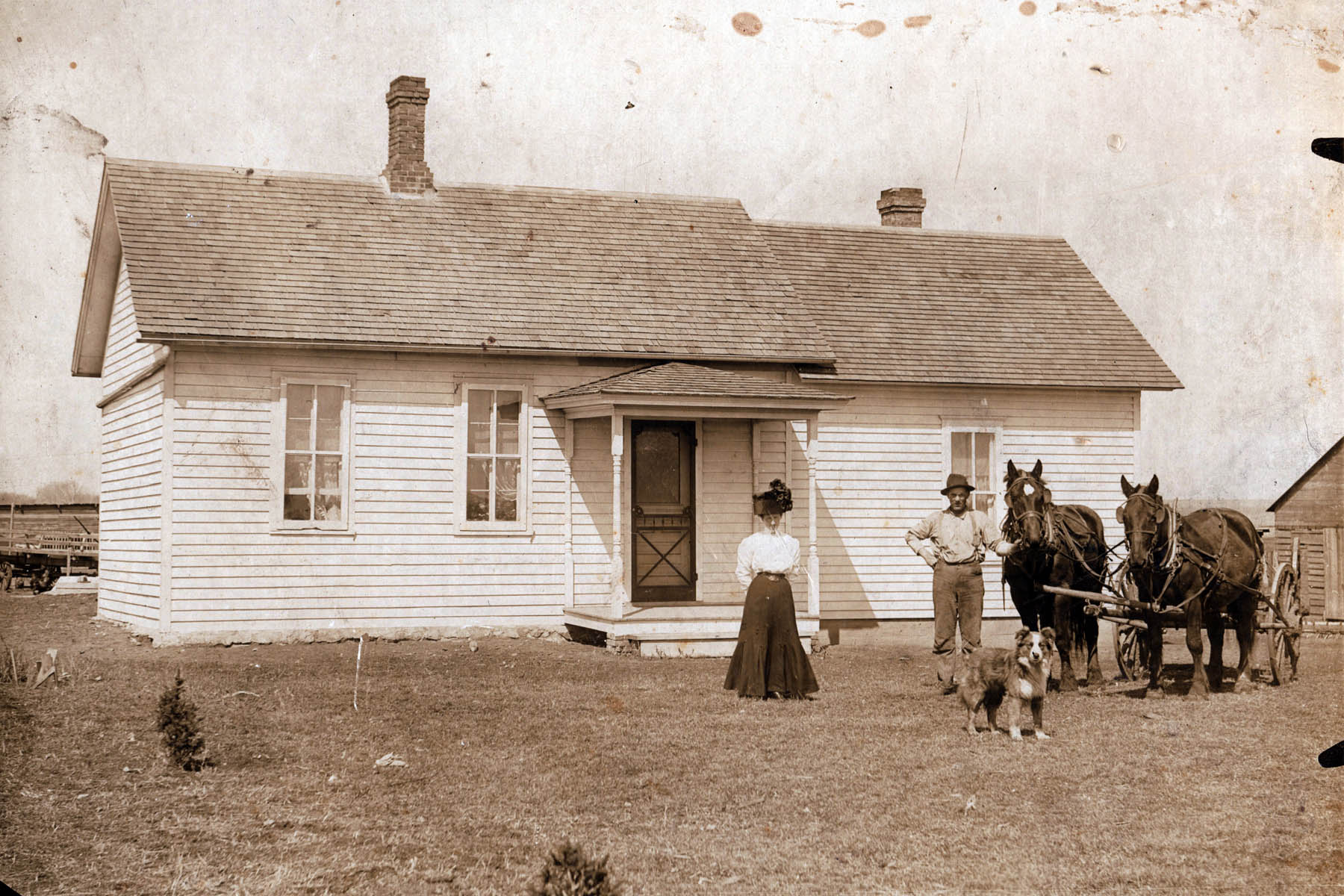
Back at the farm, alongside the cattle, the Jacksons produced hay, corn, oats, and barley. Grain was threshed with a machine hauled in from ten miles away. Like other early settlers near Meriden (originally platted as Hazard), they suffered greatly during the grasshopper plagues of 1878 and 1879, when swarms darkened the skies and stripped fields bare.
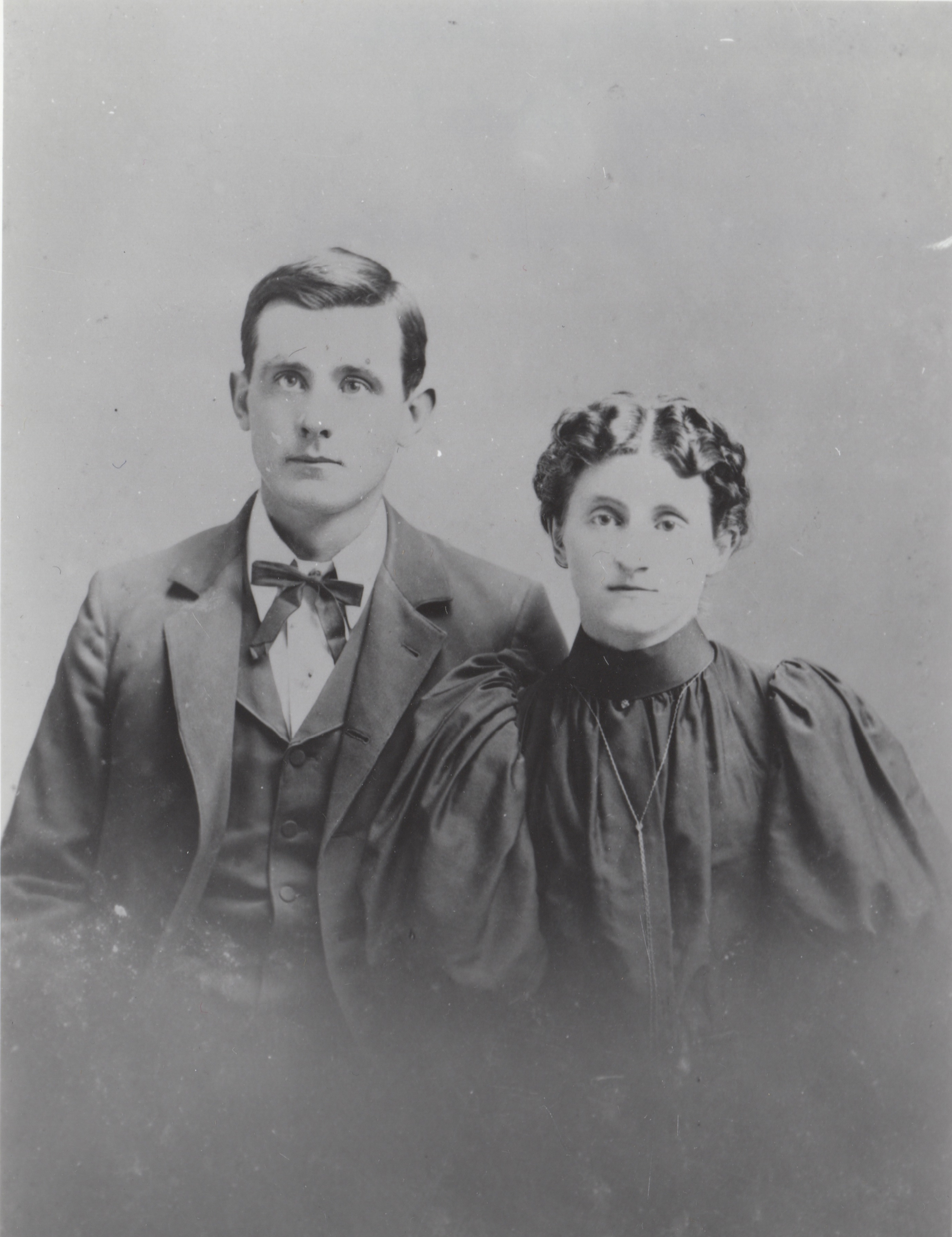
In 1905, the youngest Jackson son, Joseph, married Frances Smith. Their home was a remodeled schoolhouse on the farm. Tragically, Joseph died only three years later, leaving behind his young wife and child.
The Jackson–Dunn Connection
Mary Frances Jackson, a sister of Joseph Jackson, married Peter Dunn on July 28, 1896. Family lore says they took the morning train to Cherokee to marry, returned home by noon, and Peter spent the afternoon shocking oats—a far cry from modern honeymoons.
Mary purchased the original Jackson farm from her father’s estate in 1916. She and Peter raised six children: Francis, Alice, Daniel, Raymond, Harold, and Darrell. Peter operated a diversified farm with hogs, beef cattle, dairy cattle, and horses. But the cattle business brought hardship as well—an outbreak of brucellosis (“Undulant Fever”) wiped out his herd and nearly cost young Darrell his life.
Farm life in the early 1900s reflected the rhythms and practicalities of the time. Poultry dealers paid mere cents per pound for hens and roosters delivered—clean and with “empty craws”—to railroad cars in Cherokee. Families sold ducks, turkeys, geese, and pigeons, and with canned goods increasingly available, gardens became somewhat smaller. A separate summer kitchen equipped with a kerosene stove helped manage the heat and workload during the warm months.
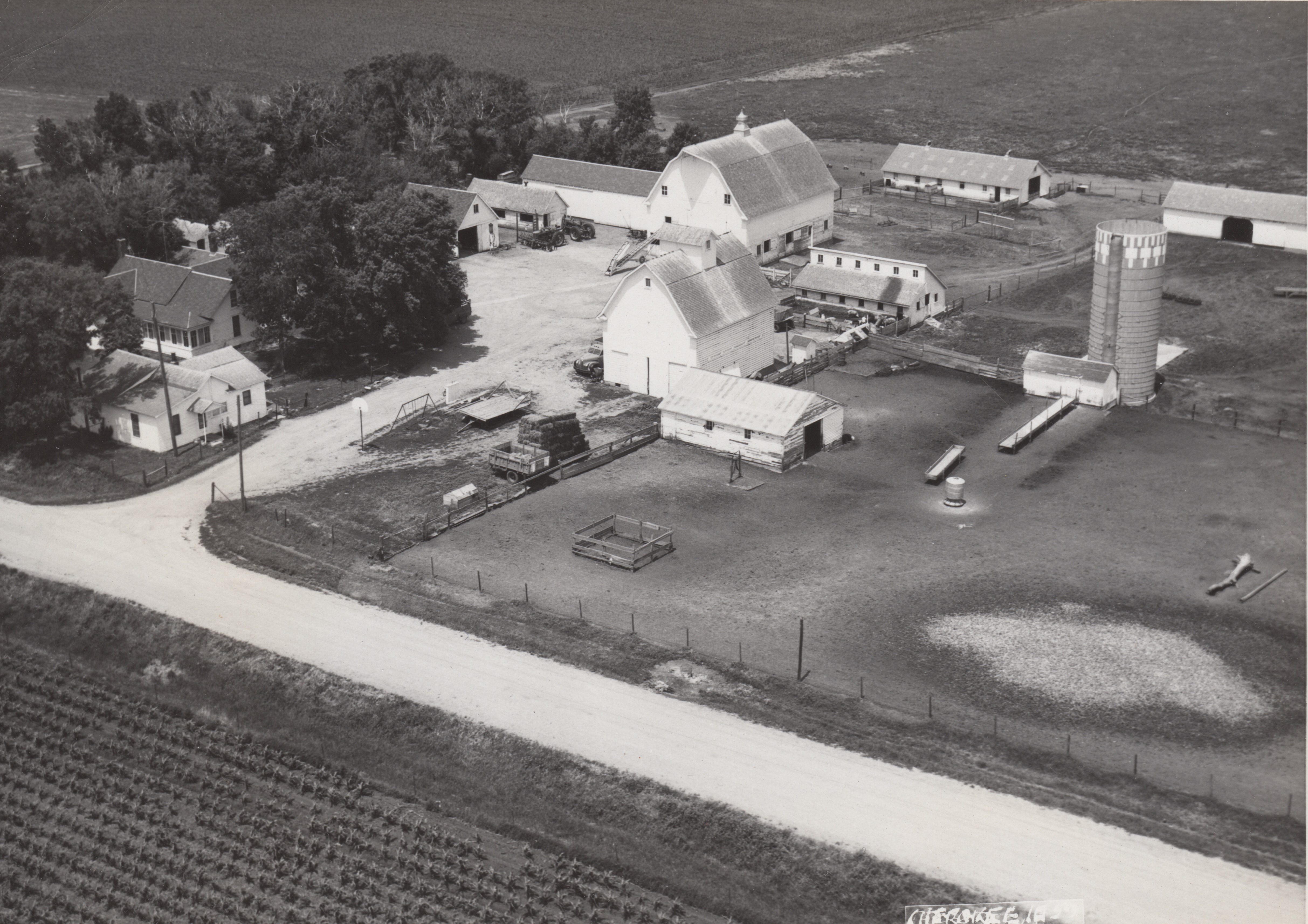
Through the 1930s, earnings from custom corn harvesting paid for improvements: a silo, new barn roofs, a 355-foot well, and a cement sidewalk from house to barn. Yet it would be nearly a century after the first hand-pumped wells of the late 1800s before rural water arrived in 1976.
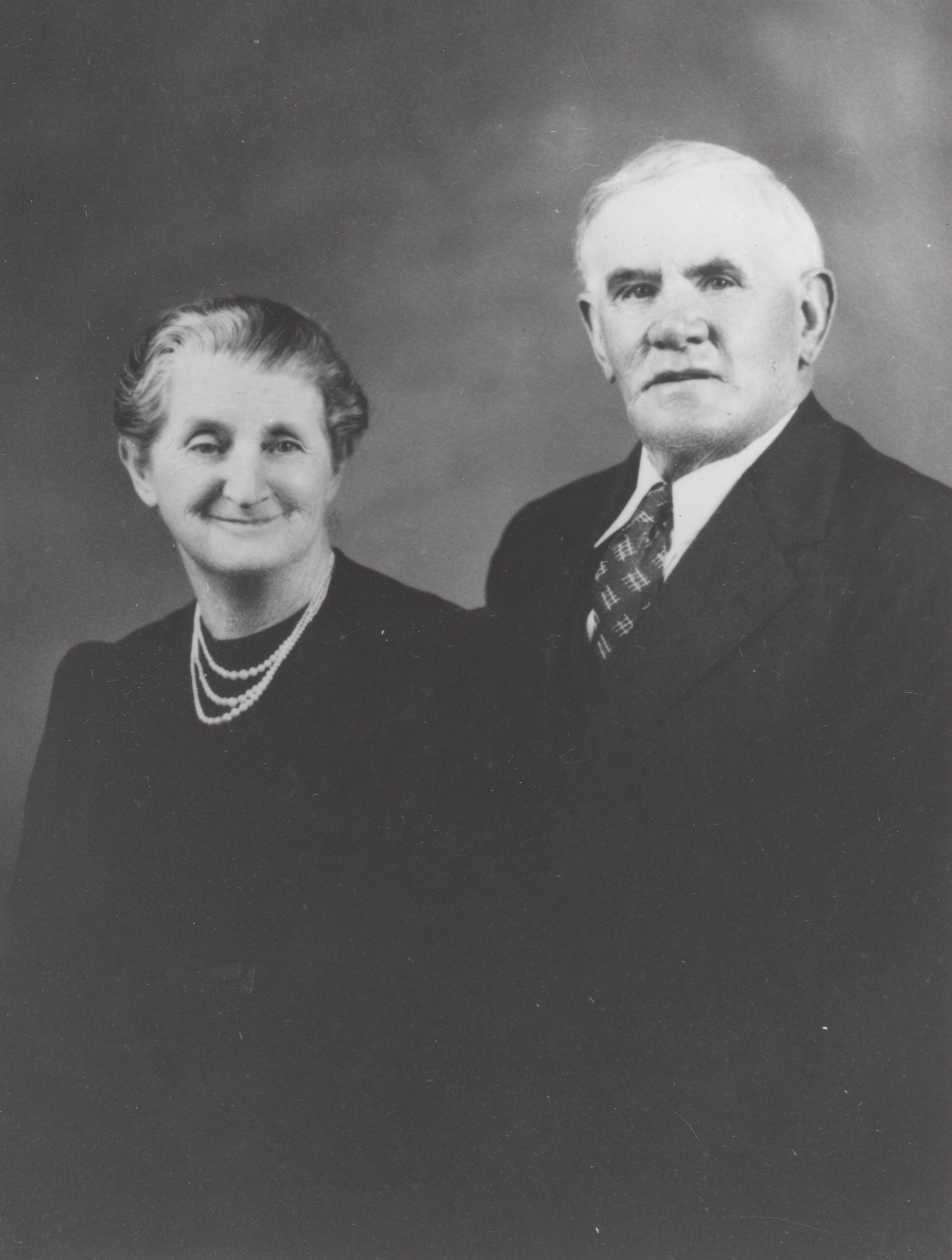
Orchards, gardens, and dairy cows supported both the Jackson and Dunn families for generations. Doris Dunn later described farm practices common in earlier days: making lye soap, smoking meats, packing eggs in water-glass crocks, hand-cranked cream separation, and feeding kitchen scraps to hogs.
Generations of Stewardship
As previously mentioned, Mary Frances and Peter Dunn bought the farm in 1916 while raising their large family. Their son, J. Darrell Dunn, later married Doris Goodrich in 1945, and in 1968 they purchased the farm from the other heirs.
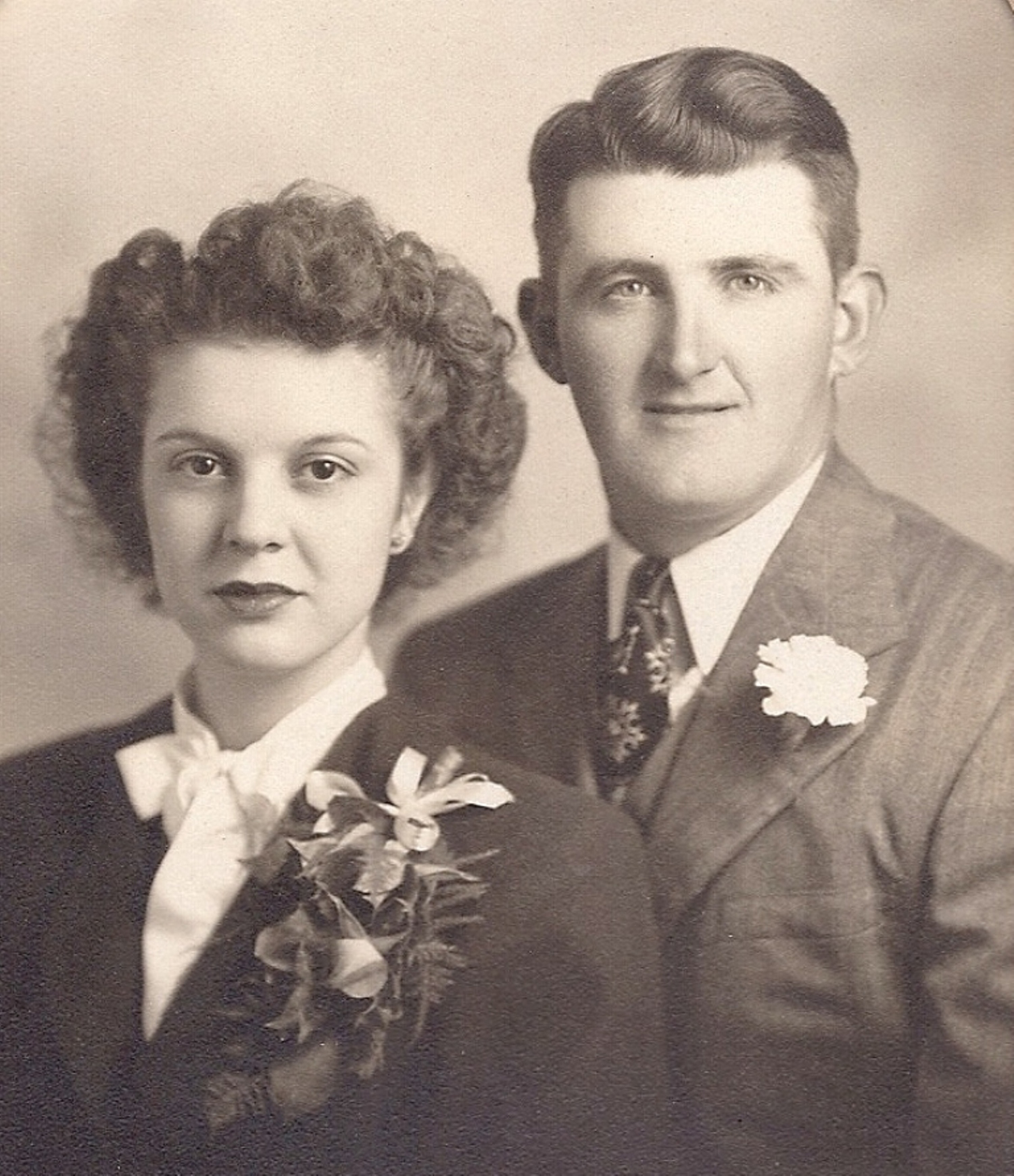
Across three generations, the farming practices evolved:
Edward Jackson used a five-year rotation of oats, hay, corn, pasture, and corn, with extensive range cattle.
Peter Dunn followed a three-year rotation of corn, beans, and alfalfa, focusing on dairy cattle and hogs. He also sold horses to the Barnum and Bailey Circus crews.
Darrell Dunn adopted a rotation of corn, soybeans, hay, pasture, and sorghum.
Though the droughts of 1936–37 were severe, most years brought good harvests. Mary (Jackson) Dunn contributed significantly to family income by caring for 400–500 laying hens.
The farm incorporated new technologies across the decades. A Fordson was the first of several tractors that later included an Oliver and two Internationals. Electricity came early—through a Delco plant in 1912—and a corn picker purchased in 1936 ran day and night during harvest, including custom work for neighbors.
The family also played a role in local rural development. Edward Jackson helped found the Farmers Telephone Company in Meriden, and his grandson Darrell served as one of the company’s last board members. Darrell also spent 20 years in leadership roles with the Associated Milk Producers Inc., representing the region at national conventions.
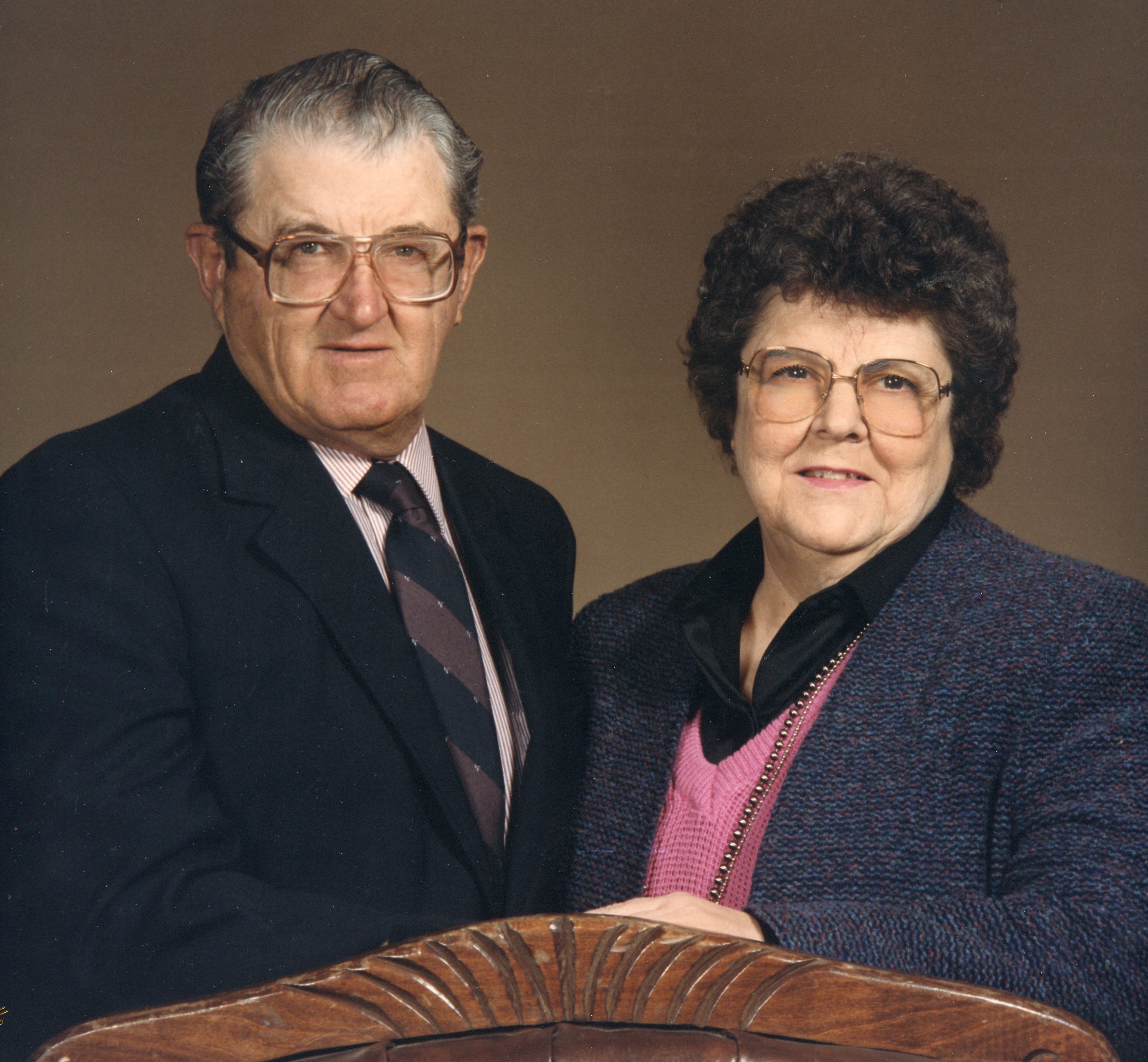
Darrell and Doris Dunn raised their family on the farm, with each of their six children—Gerald (Gerri), Timothy (Tim), Michael (Mike), David (Dave), Lori, and Douglas (Doug)—bearing various responsibilities for keeping the farm running smoothly.
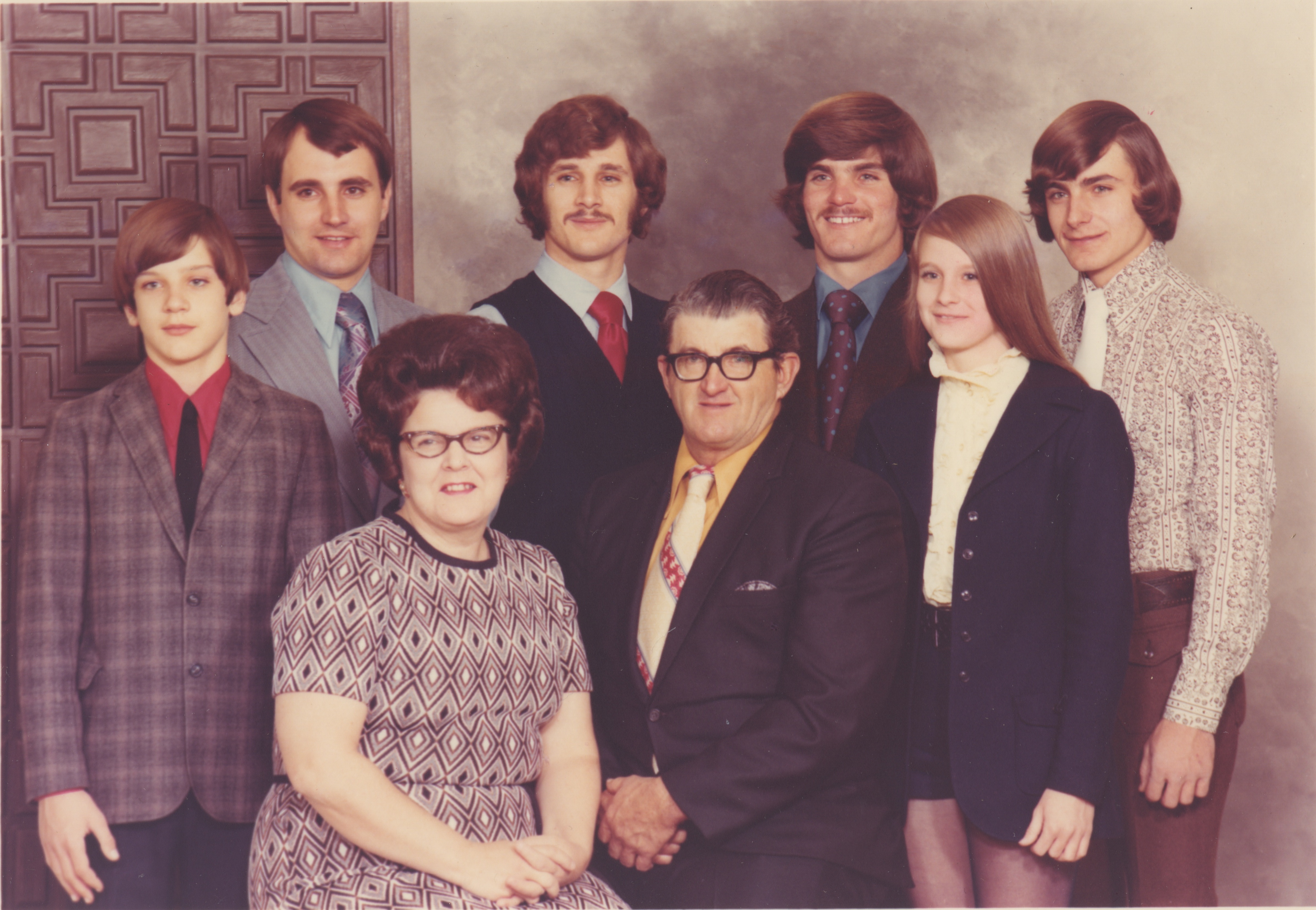
Darrell passed away in 1993. His wife, Doris, became sole owner of the farm until she passed on December 16, 2013. The Jackson–Dunn story endures thanks to the extensive records and writings Doris Dunn compiled, preserving the family legacy for future generations. After her passing, the farm was inherited by Doris and Darrell’s six children, and later purchased by two of the children, Gerri and Sharon Dunn of Fort Dodge, IA, and Mike and Pam Dunn of Meriden, IA, with Mike taking over the farming operation.
While the sale made the farm ownership official, Mike began farming in 1973, after graduating with a Bachelor of Science in Biology from Southwest Minnesota State College in Marshall, Minnesota. Mike met with his future wife, Pamela Anderson, in Jackson, MN. They married in August of 1976 in Trimont, MN. Following their union, Pam moved to Meriden where they had two children, Justin, and Jeffrey. Through the 1980s to the early 2000s, Mike, Pam, Justin, and Jeffrey worked the farm as a full family effort, living nearby in the town of Meriden.
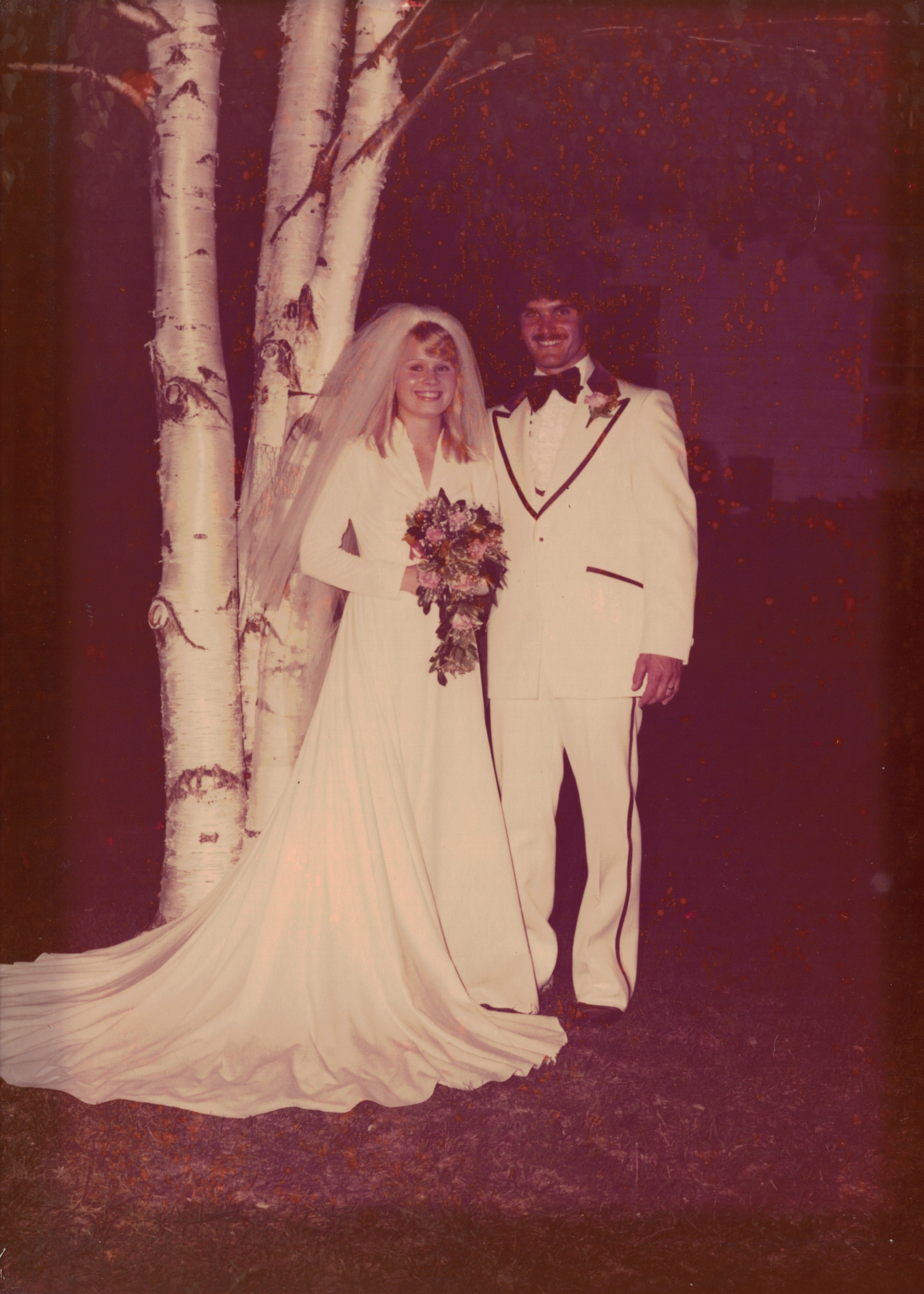
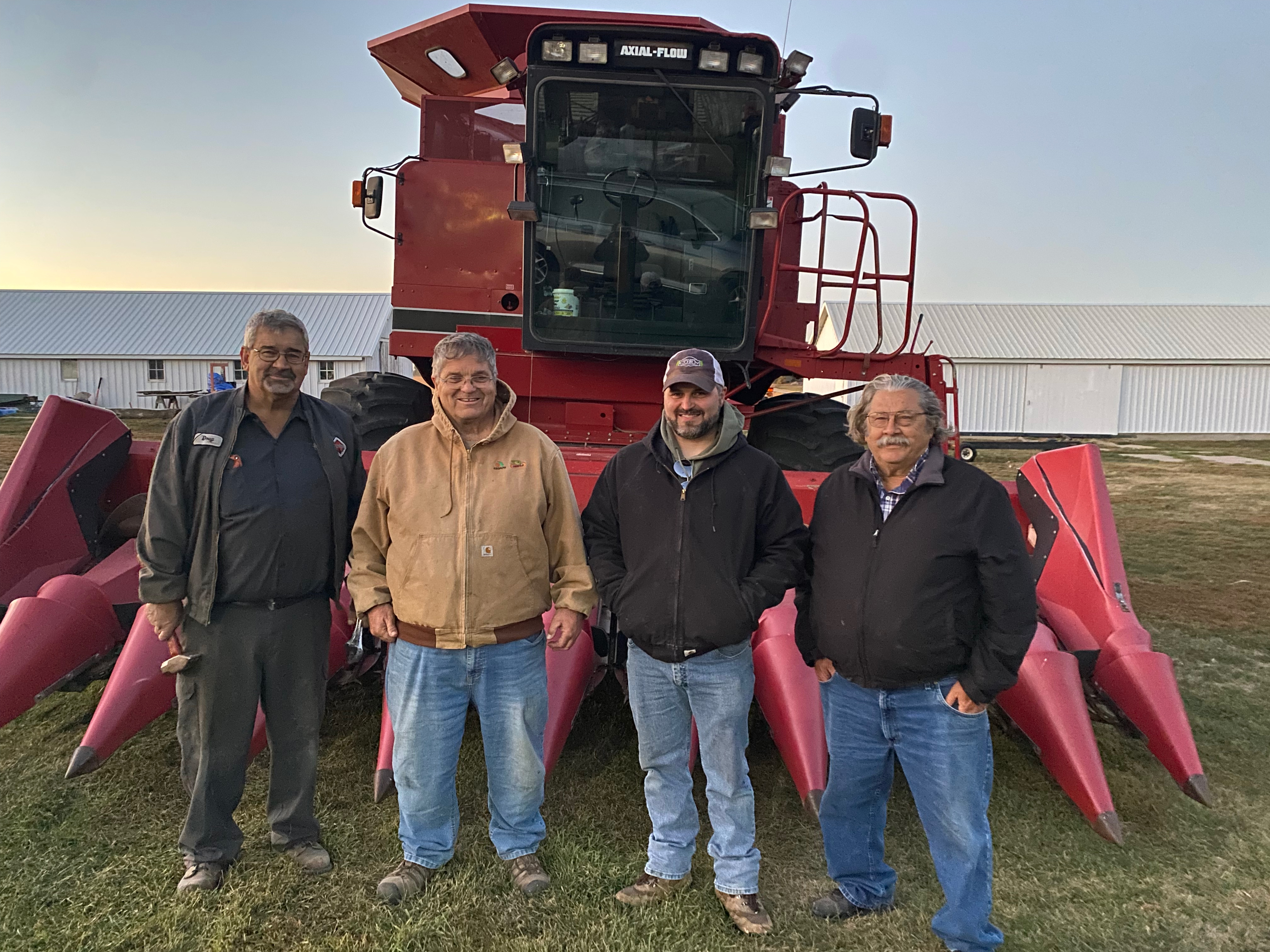
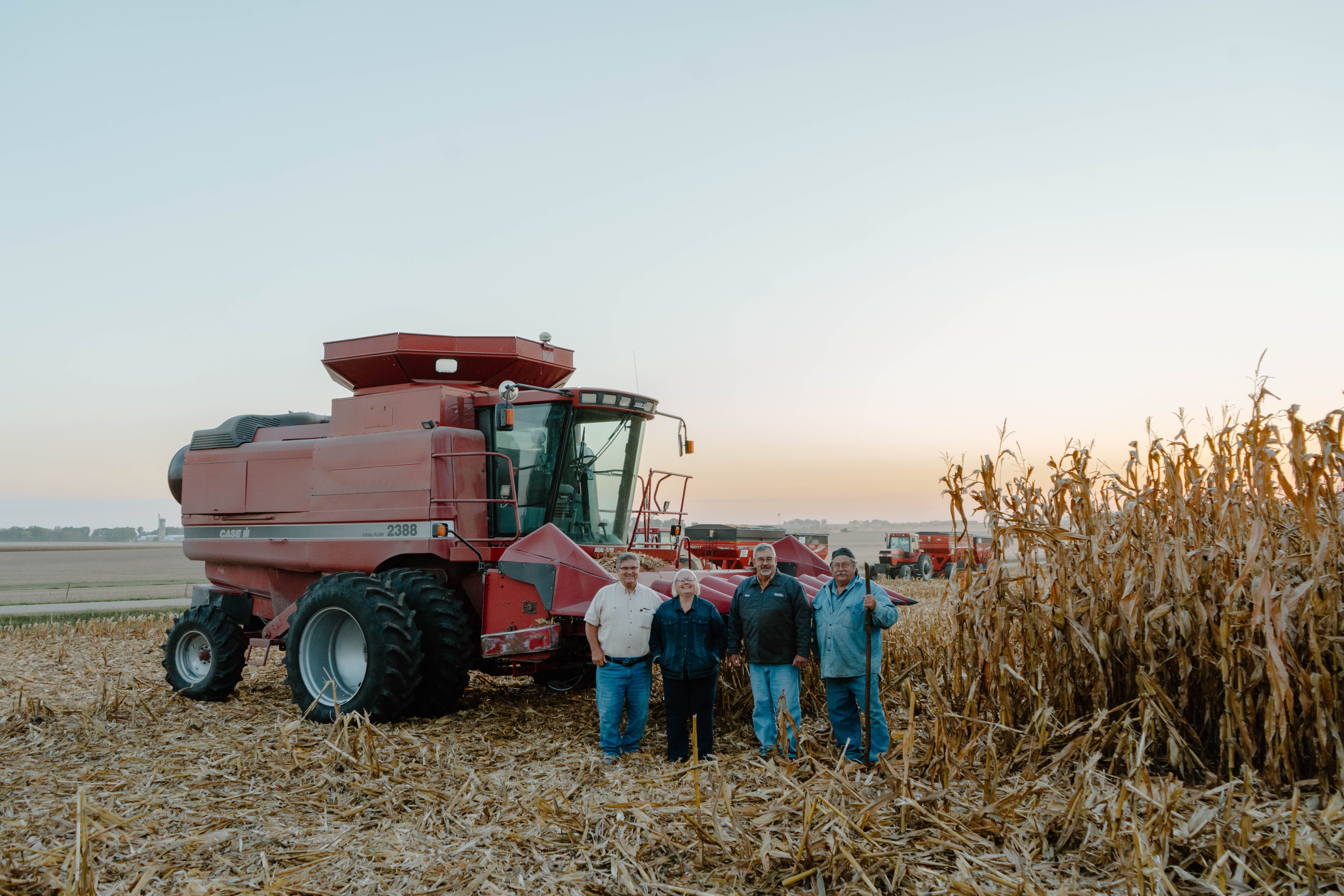
Mike took over the operation of the heritage farm acres upon Darrell’s death in 1993. After Mike and his brother Gerri purchased the heritage acres from his siblings upon their mother’s death, Mike became the fourth generation farmer of the 120-acre heritage land, which he still operates today in 2026. He has been assisted for several years by his son Justin, as well as his brothers, Tim and Doug.
Mike gives significant credit to his brothers, Tim and Doug, for the operational survival of the family heritage farm. Mike and Tim jointly purchased ground together in 1976, helping to establish Mike’s farming career owning land in his own right before later taking on the family farm. Doug pursued a career as a tractor mechanic, which proved invaluable to the success of the farm by keeping machinery up and running. Together, the three brothers, who all remained local to the area, continued to farm the family heritage farm as the fourth generation of stewards.
May of 2023 marked the 150th anniversary of the Jackson-Dunn Heritage Farm. The family was recognized at the Iowa State Fair during the summer of 2023 for their 150 years of farming, celebrating four generations of family farmers.