Gaede Corn to Whiskey
Gaede Farms
Bremer County, Iowa
Heritage Farm
Barrel Info - Bourbon
Age
26 Months
Barrel #
82
Char #
4
Barrel Proof
124.8
Bottle Proof
92
Batch #
231129-01
Bottled on
7/1/25
Gaede Family History
Our story of eight generations of farmers begins in Germany in 1868. Our founding father Johann, his wife Katharina, their three children, as well as some nephews and nieces came to the US stopping in Illinois for four years. Then in 1873 Johann, his wife and children moved to Bremer County Iowa, Dayton Township. It was here in Bremer County where our roots were set.
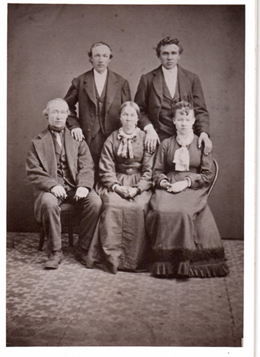
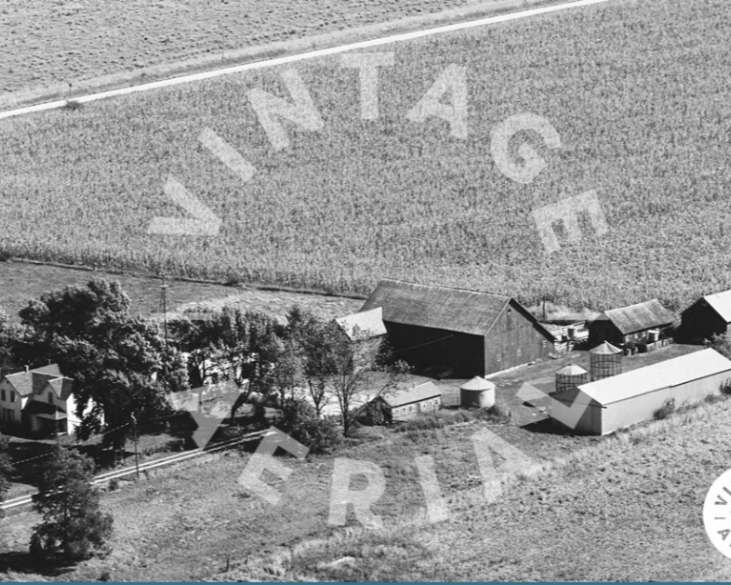
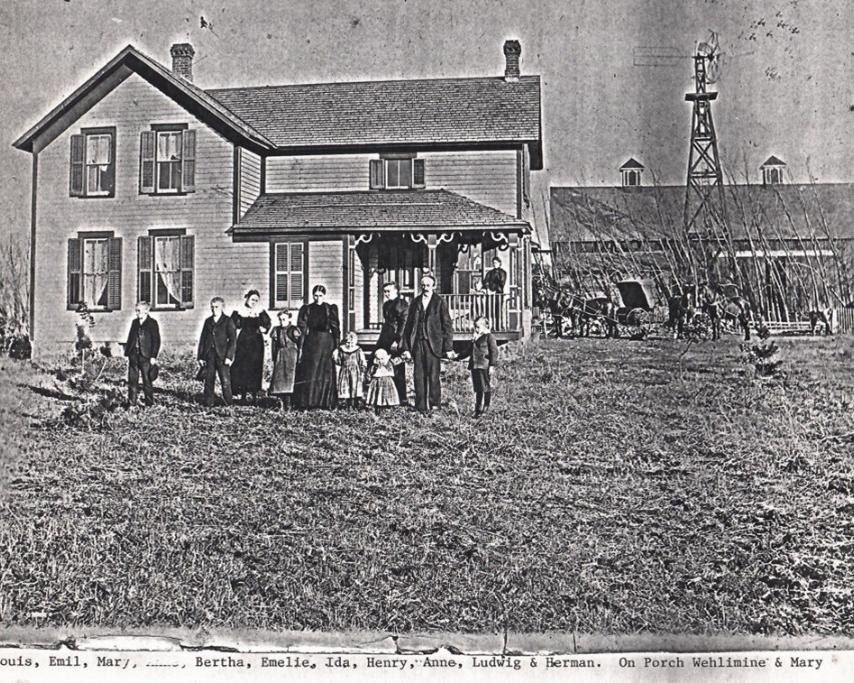
In 1875 the Eldest son of Johann, Ludwig would purchase the farm we still hold today. Ludwig would later marry Emelie and to this marriage eight children were born. During Ludwig’s ownership, the barn and house were built. Later Ludwig would retire and move to town. Ludwig’s fourth child Emil (Amel) would buy the farm from Ludwig.
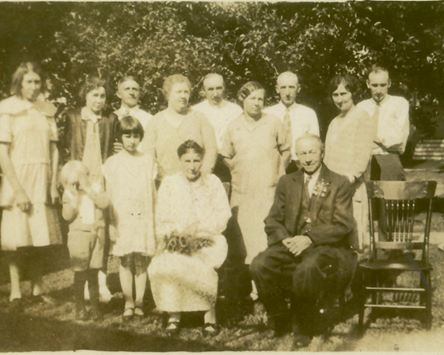
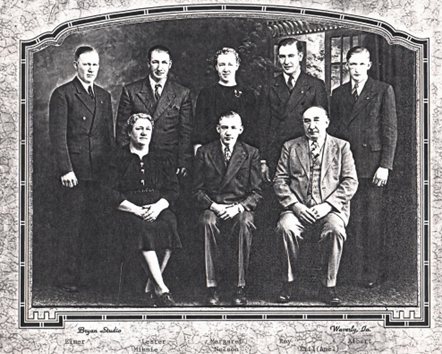
Amel and his wife Minnie were married in April of 1911. They too made their home on the farm. Amel and Minnie had six children. Of these children two boys would become part of the history of the farm. It was during this time period the great depression occurred. The Gaede’s would sell off the adjacent farm to the south, and a poor-quality section across the road, in order to preserve the current farm as it is known today. Amel and his wife would retire in 1943. Amel’s fifth child Albert would purchase the farm next.
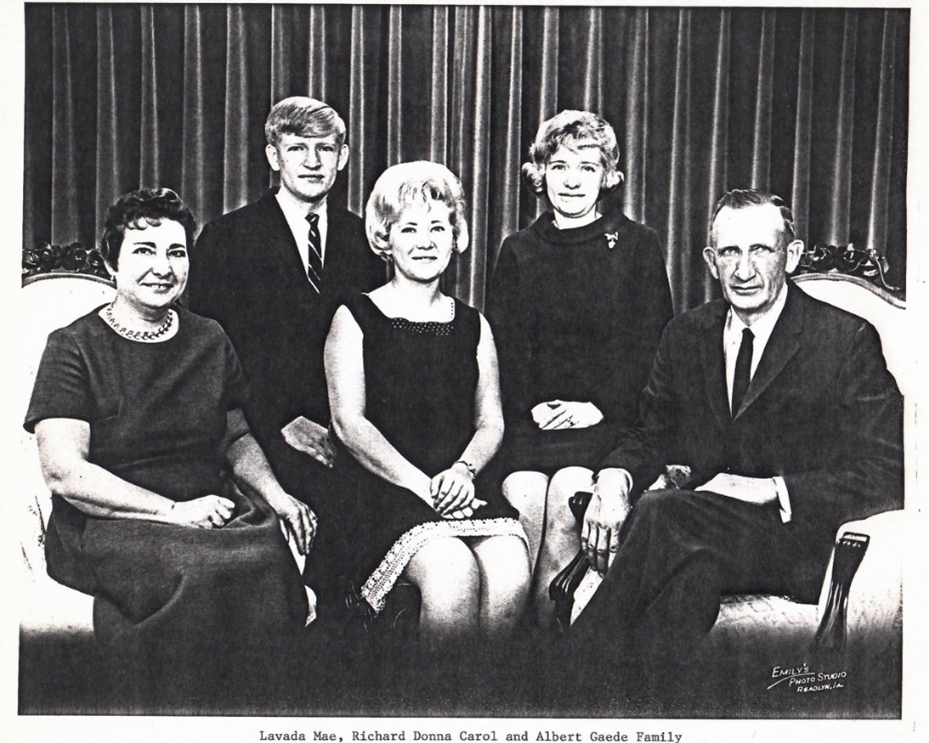
Albert and his wife Lavada Mae would own and operate the farm next. Albert and Lavada Mae had three children. During Albert’s ownership the farm would be tilled, and the farm would see the last time a team of horses were used to farm. Tractors and more modern machinery would take over the farming duties. Albert raised hogs, sheep, and milked cows on the farm. Albert and Lavada Mae would register the farm as a century farm in 1976. Later Albert would retire, and for the first time ever the farm was rented to a neighbor. During this time the house was also rented out to other tenants. None of Albert’s children ever farmed. Now the story moves on to Amel’s third child Elmer.
Elmer the older brother of Albert also farmed. Elmer moved and purchased a farm North of Tripoli. He married Alberta Bergman in 1942. The brothers Albert and Elmer would also work together from time to time, sometimes sharing equipment, picking corn or combining. Elmer and Alberta farmed their own farm for many years. They milked cows and raised hogs and beef cattle. Elmer and Alberta had 5 children. Of these children their son James would follow in Elmer’s footsteps and began to farm.
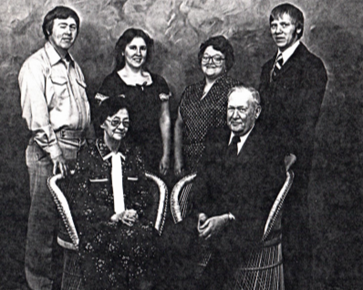
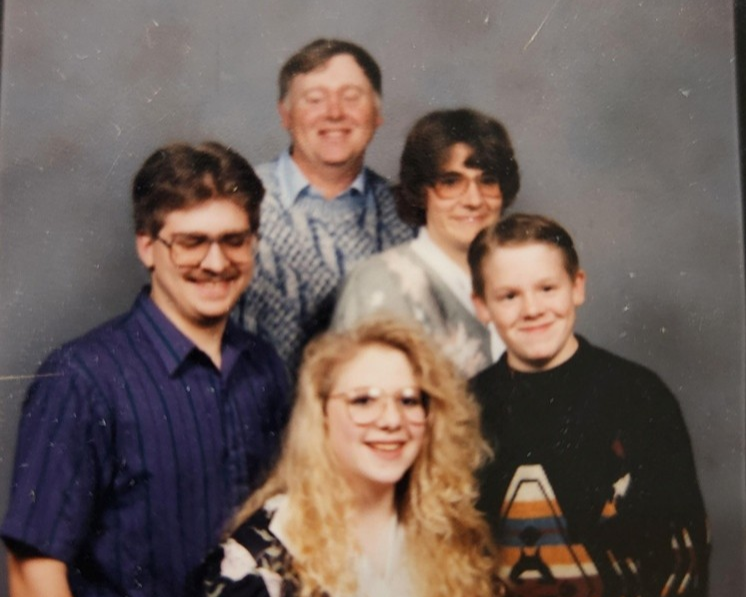
James would marry Marlys Cooper and they would make their home between the towns of Tripoli and Sumner. James and Marlys farmed for many years. Raising hogs, cattle, and milking cows. James would later buy Elmer’s farm and continued to farm it for many years. James and Marlys had three children. Of these children Jason would take up farming.
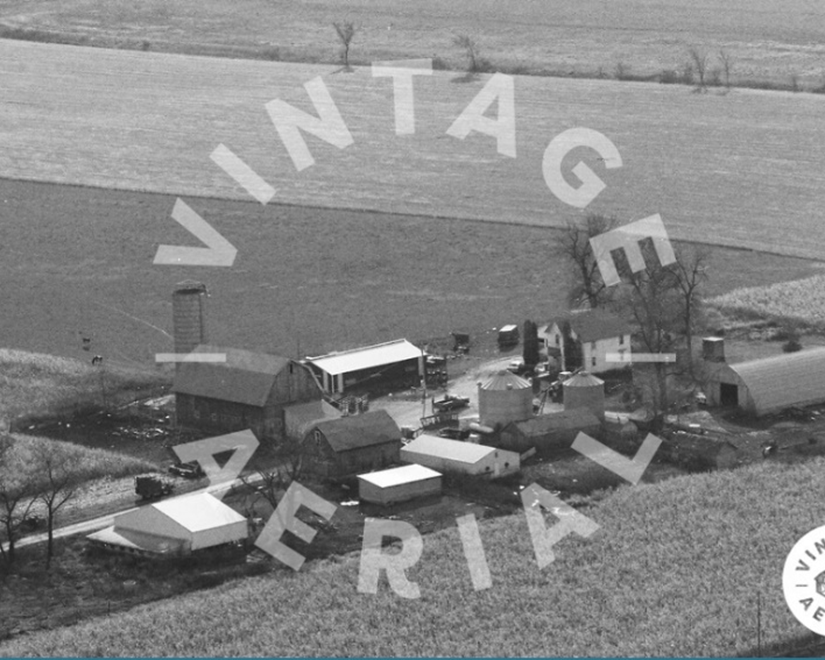
Jason married Valerie Poock in 1993. Later in 1995 Jason and Valerie would move on to the century farm and returned a Gaede to the house hold. In 1995 their first son, Dustin, would be born. Later in 1997 Jason and Valerie would also begin to farm the family farm. In 1998 Jason and Valerie purchased an adjacent farm and moved off of the family farm. Jason and Valerie would be the last Gaede to ever live in the house. In 1999 their second son, Bryce, would be born. In 2004 Lavada Mae (Alberts widow) would sell the farm to Jason and Valerie.
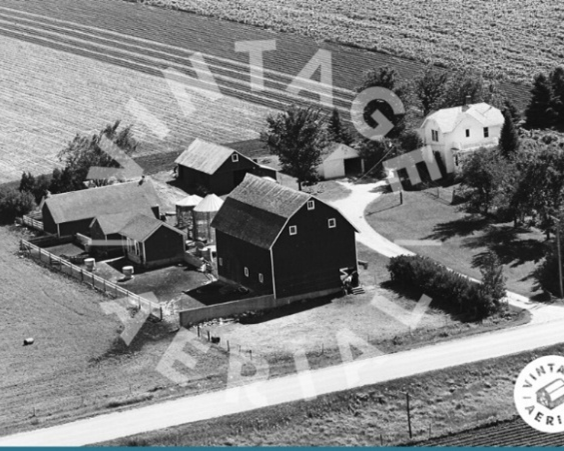
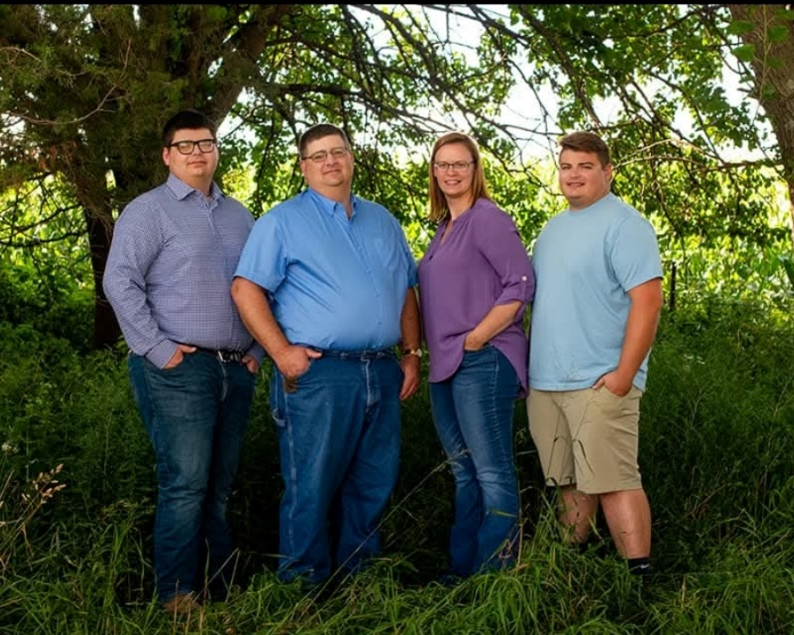
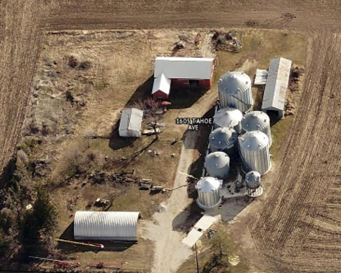
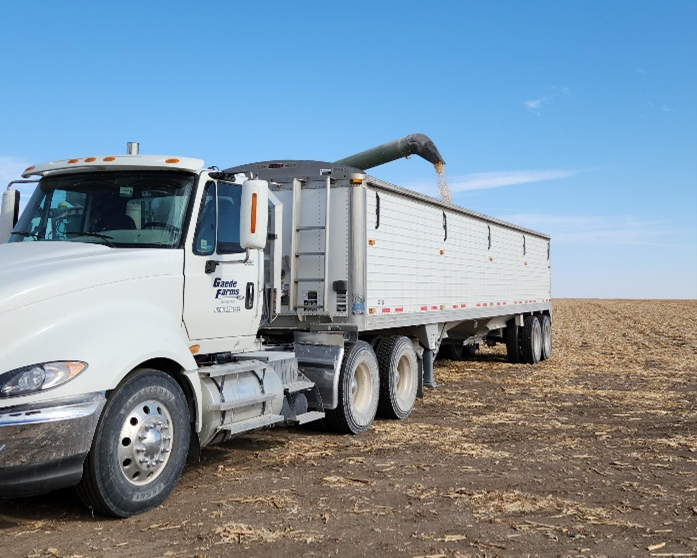
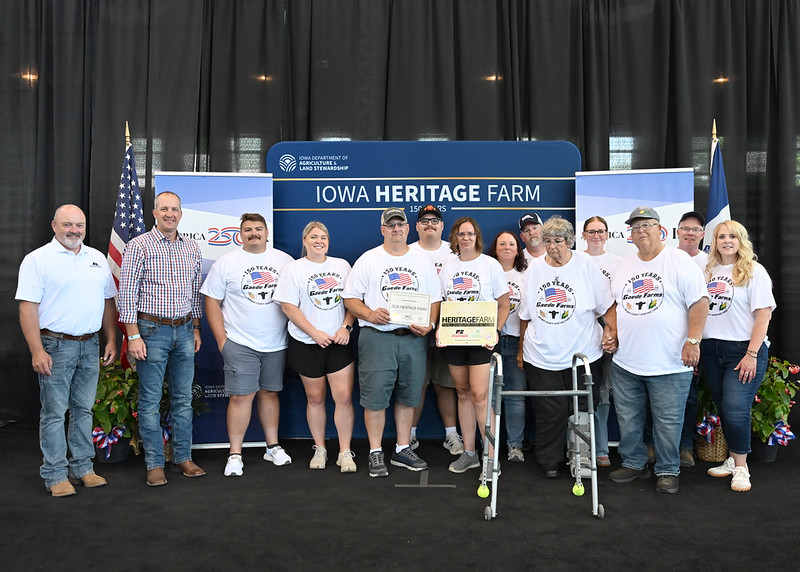
Today the farm is owned and operated by Jason and his two sons Dustin and Bryce. Gaede Farms now consists of roughly 1,400 acres of corn and soybeans along with beef cattle, all in Bremer county. The farmstead still has the original barn, and now contains the family’s central grain facility. The original house was removed in 2020 to make room for an expanding operation.
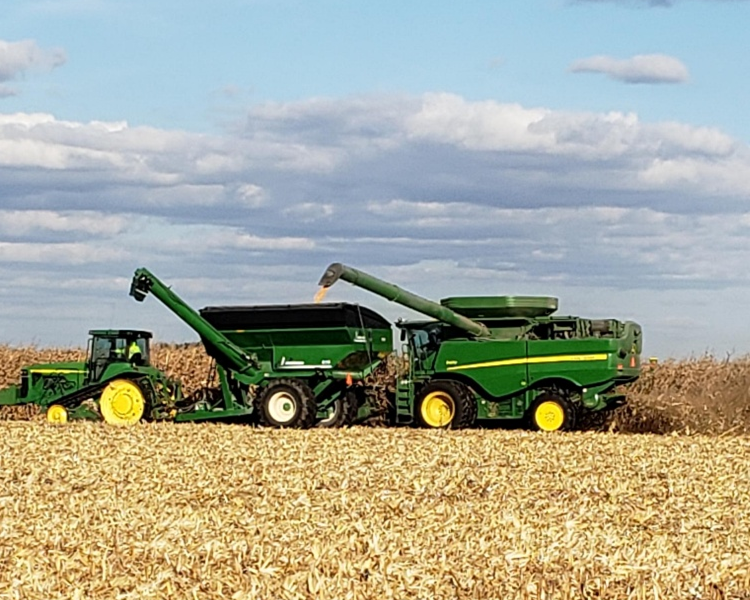
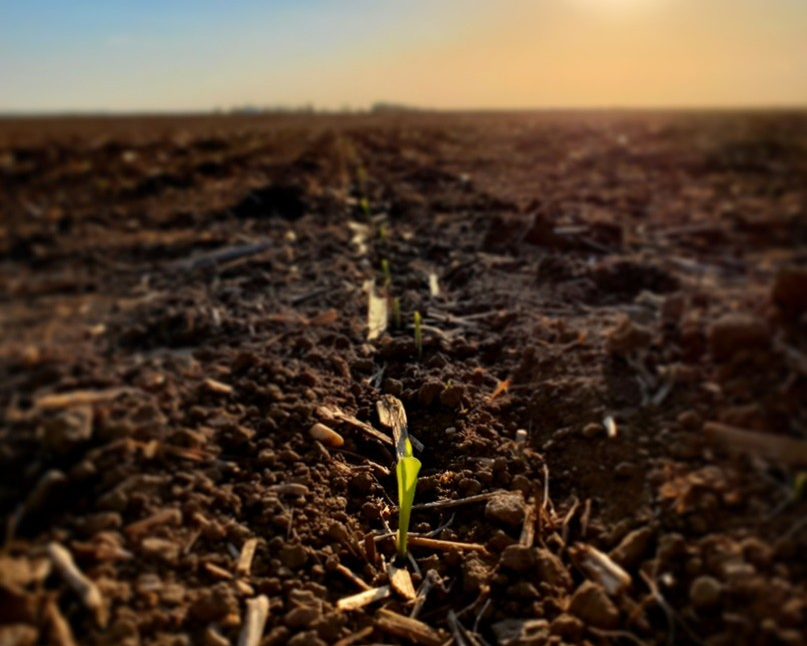
The whiskey produced is in honor of our families Heritage classification using Pioneers P1164AM hybrid which was harvested in the 2023 season and will be aged until 2026 coinciding with our 150th anniversary. This whiskey is a celebration of all our family’s hard work and dedication, and we hope you enjoy consuming it as much as we have enjoyed producing it.