Bahls Corn to Whiskey
Bahls
Calhoun County, Iowa
Heritage Farm
Since the corn from Roger’s last harvest began its journey to its Bourbon status, the Bahls Century farm has reached its treasured Heritage Farm status. So, my story will talk about the farm in its Heritage years. “Bahls Heritage Farm” is not a formal name. It has never had a corporate or formal business organization; there has always been a member of the Bahls ancestry who owned and operated the land as an individual family unit. The children, all working - doing chores and helping to keep all the cogs meshing together to keep the Farm machine running as smoothly as a Farm, dependent on so many variables, can operate.
Many stories were told about taking eggs and milk to town to buy groceries - those that were not already being raised on the farm. In going through records that were kept in the 1950’s, it was once noted that 450 dozen eggs were sold in a 4-day production period since the farm’s previous sale. That is a lot of work feeding, cleaning chicken houses, as well as collecting, cleaning and packaging the eggs all by hand.
Phyllis and Roger Bahls both worked “in town” to help bring in enough revenue to keep the farm and family expenses covered.
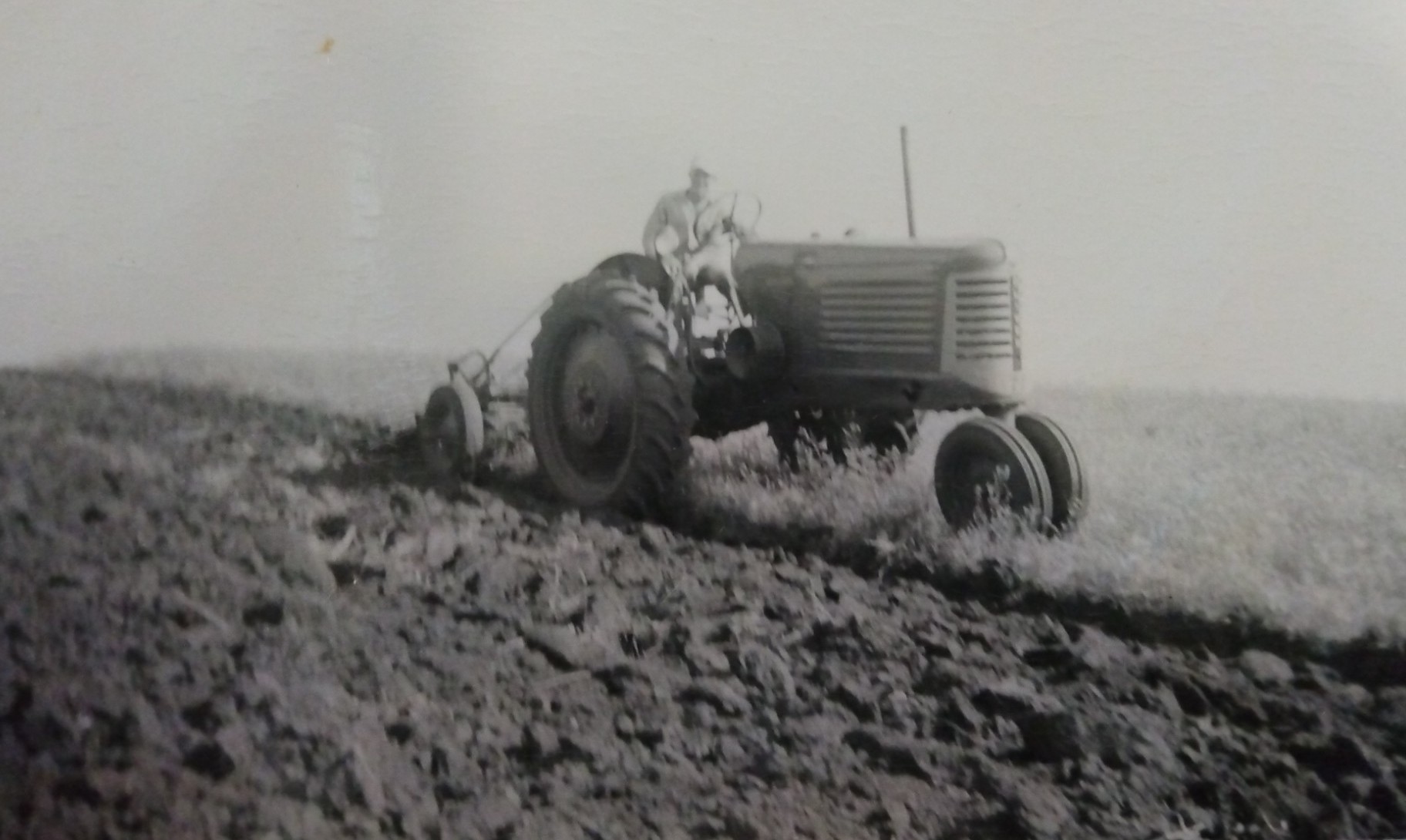
When Roger and Phyllis were working during non-school hours, the three children, Janice, Richard, and Brenda, helped to cover chores and fieldwork until the parents came home. While this is a 1960-1975 example, it occurred in one form or another throughout the 150 years of the Bahls Family heritage. I am confident that all Heritage farms have similar stories of family contributions made throughout their years of ownership making up the real meaning of a “family farm”.
Some families have had individual disagreements that have forced the sale of the land and terminated the ownership chain. In my opinion, it is a real tragedy. In some family farms’ histories, an ancestor may have felt it necessary to take steps to enhance the chances for one of the family members to be successful in continuing the tradition. They may have left the machinery and essential farmland to the heirs who were left to operate the farm, and other assets, such as cash and life insurance, left to the non-farming heirs. While some of these efforts have been successful, some farms were sold because some non-farming members became upset at what they perceived as inequities in the division of assets from an estate. In those cases, the non-farming heirs may not have understood or appreciated their parents’ deep importance previous farming owners/parents had, to keep the land in the family to carry on the opportunities for future family members to farm. The Bahls family had been blessed until recently with a deep appreciation of the ancestors’ importance of the family farm tradition and we pray it may continue as God provides the opportunities. Although not part of the Heritage farm that has been celebrated, the heirs who inherited the 115-acre parcel chose to sell their part of the Bahls Family Farm for hopes of better cash returns.
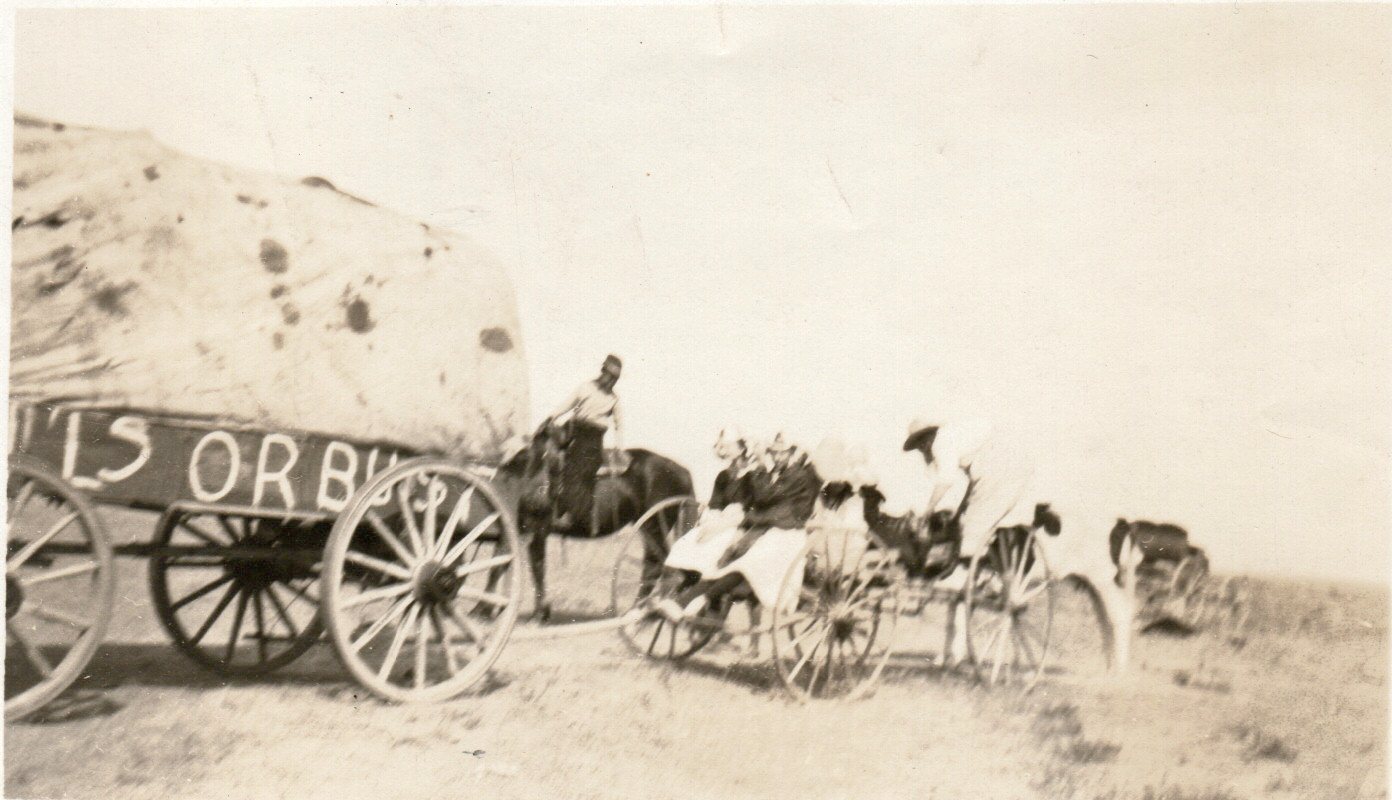
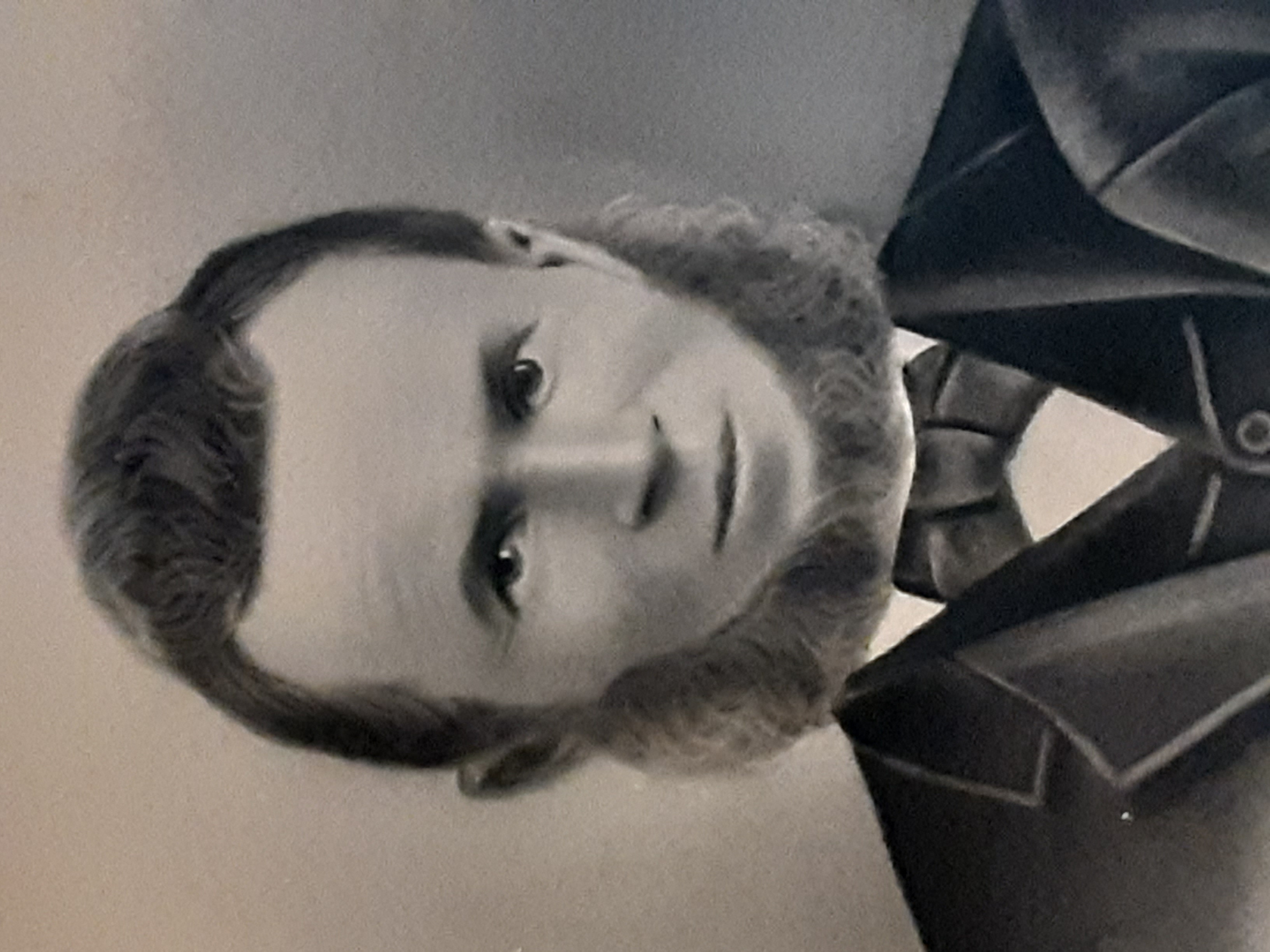
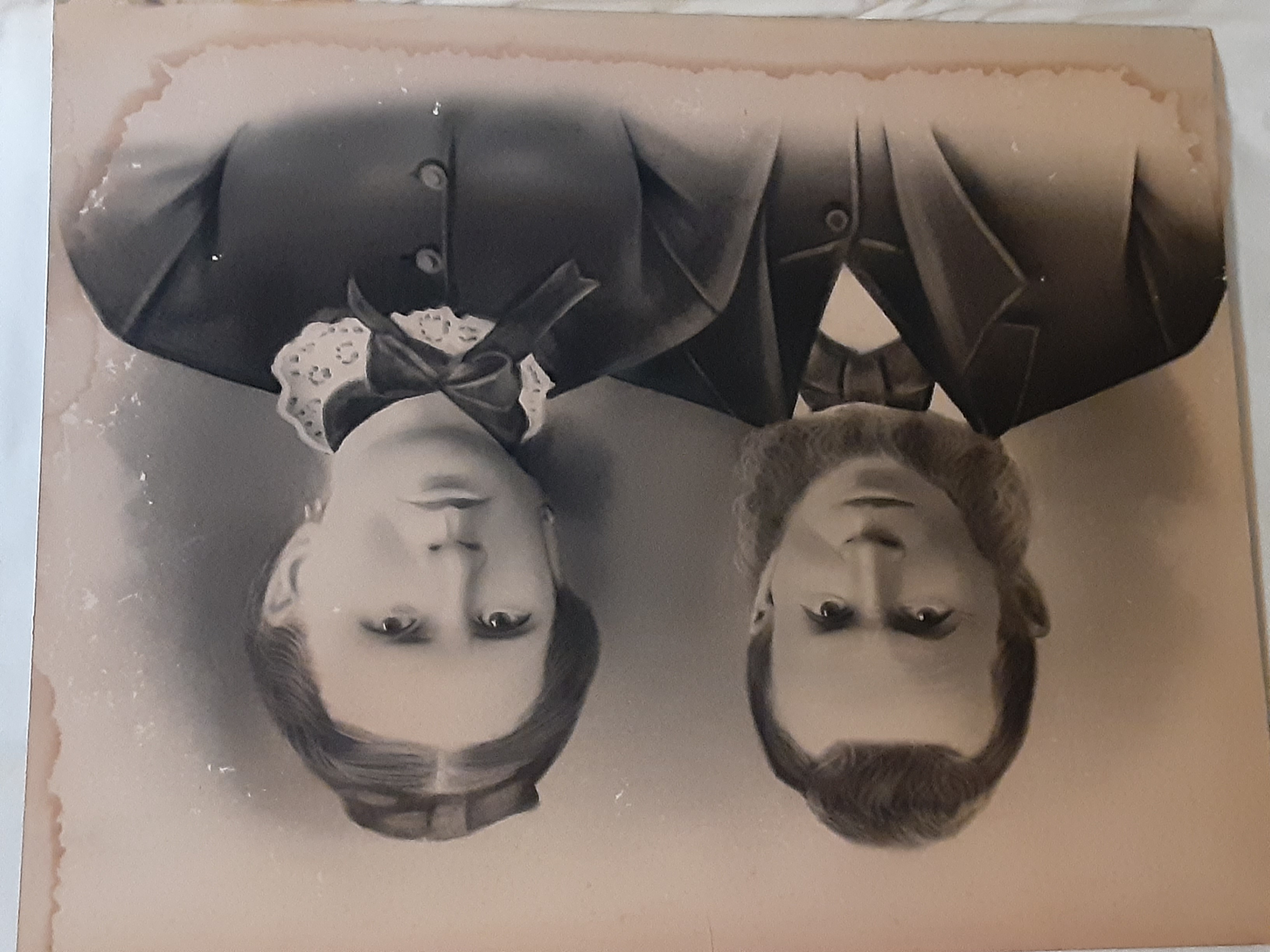
In 1874, several land seekers of German descent left Lindenwood, Illinois (west of Chicago) to locate new homes and farming opportunities on the western frontier. They arrived in Fort Dodge, Iowa, to meet with a land agent who brought them to Calhoun County in a horse-drawn buggy. Carl Bahls was not one of the three men who made this early trip. These three bought lands for $5 an acre. They hurried back to Lindenwood with the good news of the land opportunities in Calhoun County. They brought with them a map/plat of Calhoun County, from which Carl Bahls and the other three men selected parcels of land. They placed great trust in their first three friends and took their word that the land was good. Carl purchased 80 acres on August 13, 1874.
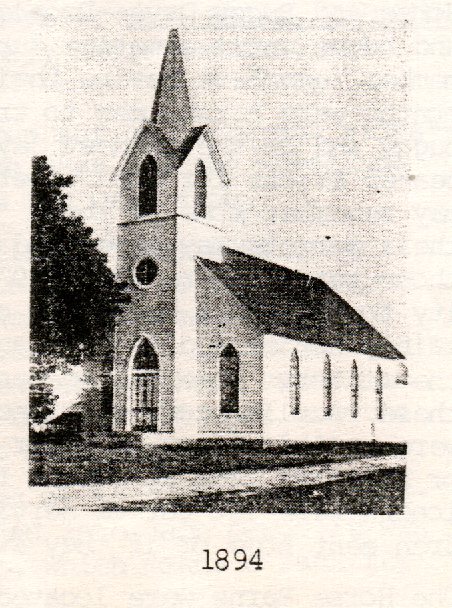
The seven families struck out in mid- March,1875, for their new land in Calhoun, County, Iowa, knowing they did not even have a house to move in to. They arrived amid a fierce snowstorm. Those hardy pioneers, according to an Immanuel Lutheran Church 125 yr (1878-2003) celebration booklet, “found shelter in a home, which was called a hotel, and bedded themselves in straw on the floor during the storm, a blizzard that lasted 3 days.” One can only imagine the great risks and sacrifices these families made while trying to build their first homes out on this new frontier. Carl, and his wife Friederike, established their homes and only 3 years later founded Immanuel Lutheran Church in 1878, along with the other six men who came to start new lives in the area. Their prompt establishment of their church was an indication of the great place they put God’s presence in their lives. Their faith was one “solid rock” they had in the midst of so many uncertainties facing them during these times.
Just to give a picture of what these settlers might have found when they came to Calhoun County, an heir of one of the seven land seekers said that when surveyors came to survey the land, they brought canoes to navigate through some of the sloughs they encountered when they stepped off the train. Many non-farmers may not realize how critically important our current system of drainage ditches and county main tile systems are to being able to operate much of this productive land and providing food for many areas of the world. Before the innovation of mechanical tiling machines, the tile had to be dug and laid by hand. It was said that legal immigrants from a few European countries dug many of the tile ditches. As motivation, a bottle of whiskey was placed a certain number of feet ahead, and when they dug a proper tile trench up to the bottle, they could take a swallow. What a bunch of hard-working men we owe our world’s most productive farmland to.
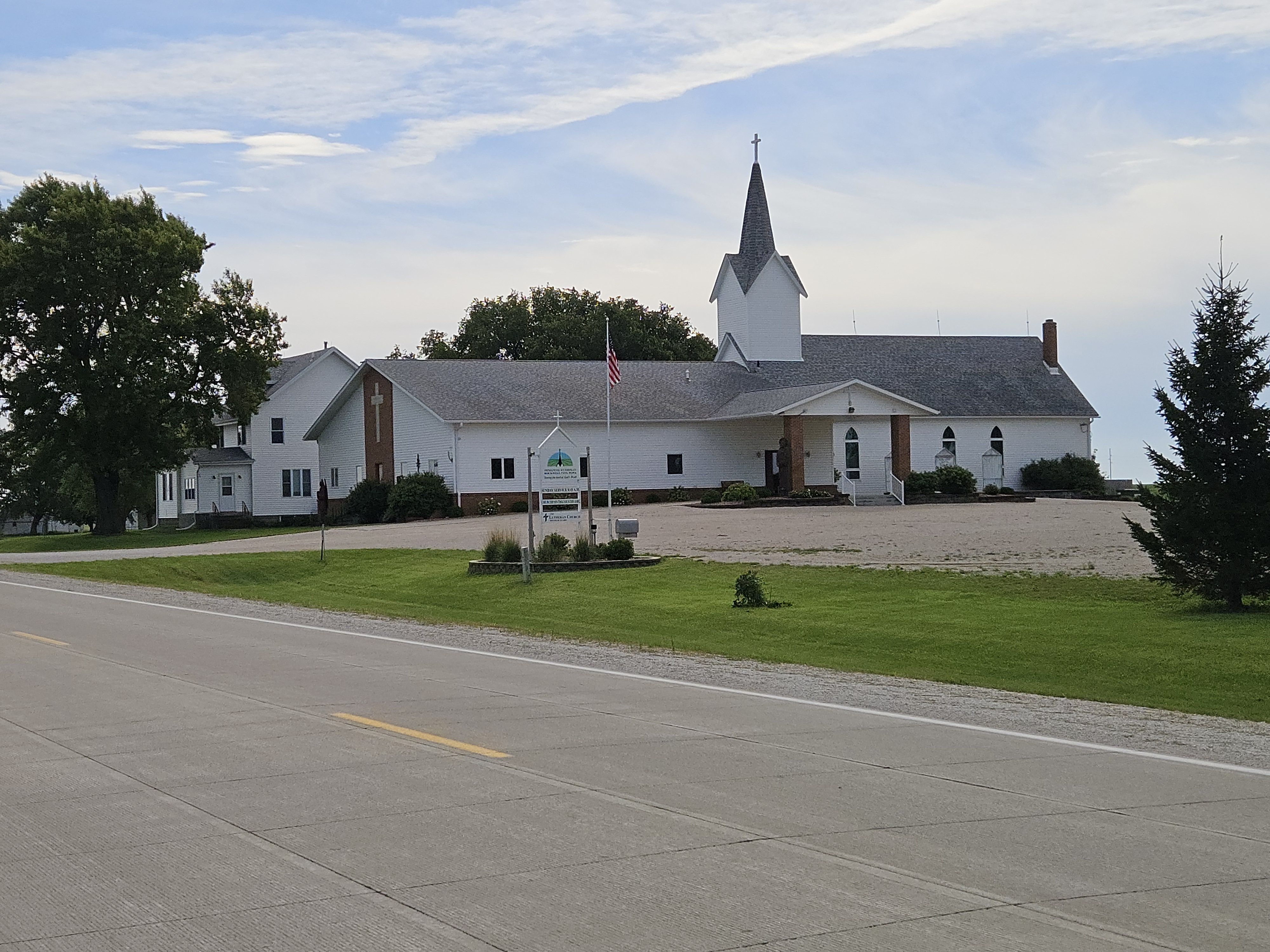
During these first many years, they built a modest house, barn, and ear corn crib. I do not know if a separate machine storage facility was also built, or if any modest farm implements were stored in parts of the barn or crib. Much of the land at this time was still covered with prairie grass and vegetative cover. Grandpa Emil talked about a great prairie fire that swept across their area. It burned down everything except; they were able to save the original house. It still stands on the farm today. Over the years, it was converted into a “functional” facility being a feed shed for the storage of several types of feed that were delivered by bucket to the separate groups of livestock.
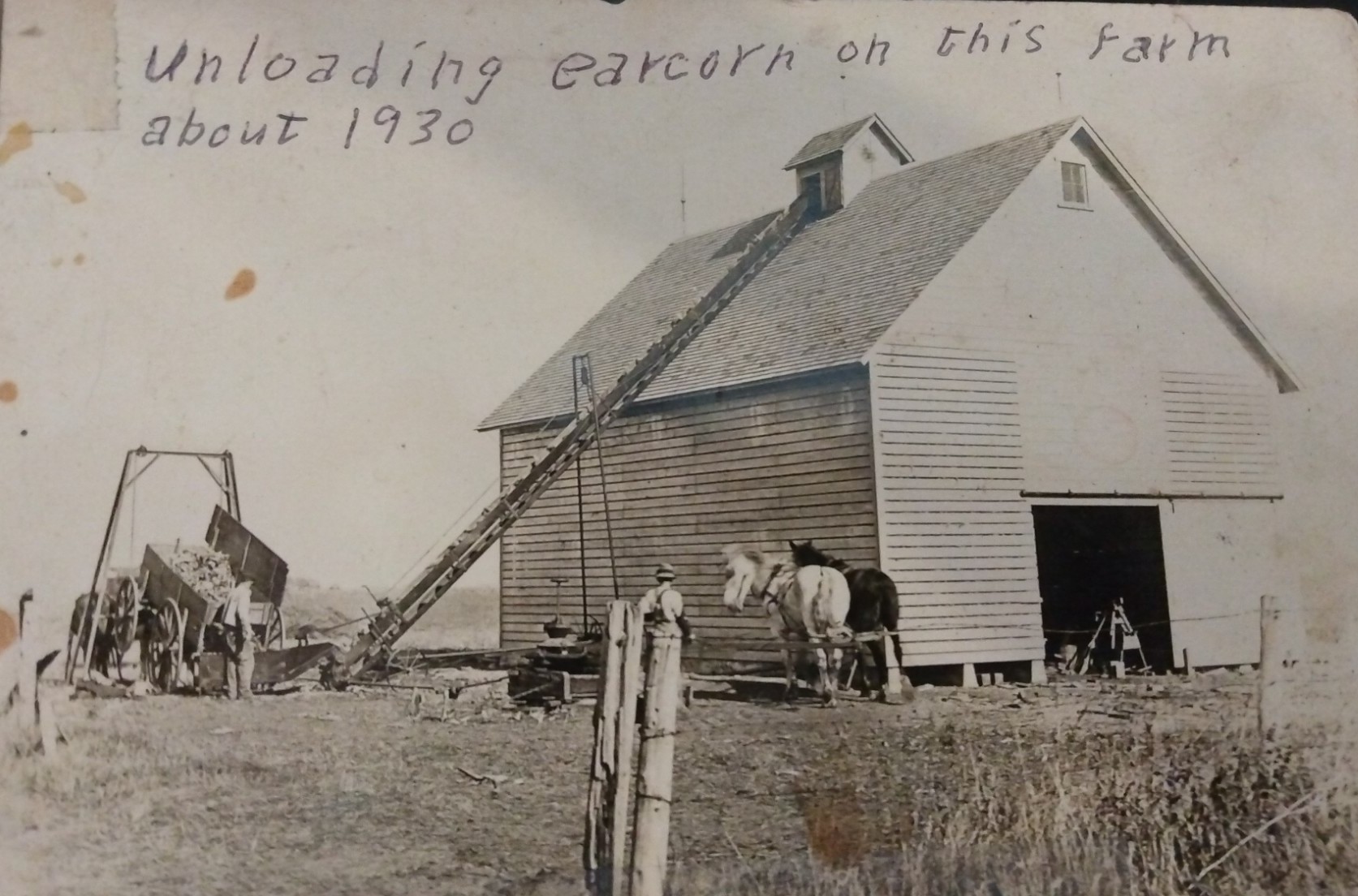
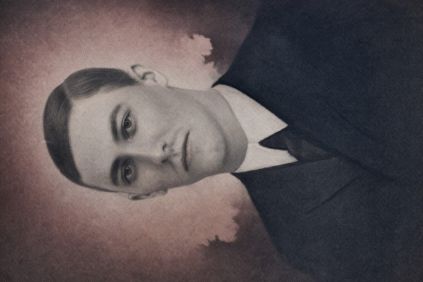
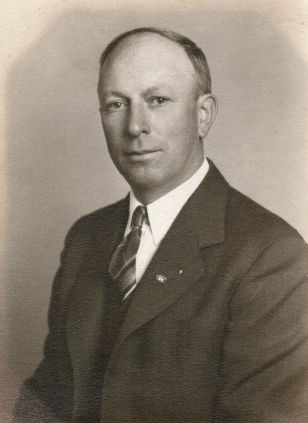
William was the next generation to continue the family farm heritage. He and his wife Bertha had eleven children. It is my understanding that William was unloading ear corn one day when he suffered a blood clot and died suddenly. Son, Emil (1901-1989), was only 15 years old when he had to take over the farming operation with his mother. The Great Depression of the 1930’s hit, and Bertha and the farm ended up with more short-term debts than the farm could handle. There was also some long-term debt that had been taken out as the farm base had grown. The original farm was up to 160 acres, and they had purchased another 160- and 120-acre parcels. Five acres of the 120 had been sold to Immanuel on which to build their church.
At some point, the “Chicago Land Bank” foreclosed on the land. Emil had put together a plan for himself, Bertha, and his single brother Elmer to buy three parcels of land. However, there was a ‘cloud’ in the title due to some unclear wording in William’s will which prevented anyone from getting clear titles to the land. Emil, and an attorney, went to great lengths to get this clause in the title cleared up. He wrote letters to U.S. President Theodore Roosevelt, U.S. Representative Fred Gilchrist, and the General Counsel of the Farm Credit Administration asking for their assistance in an interpretation of some wording in the title about additional offspring.
Emil and Roger told one story about how they had an appointment to meet with representatives from the Chicago Land Bank in Boone, Iowa. It was evident that the Chicago Land Bank wanted to take possession of the land, but Emil was making every attempt he could to work things out. He, Elmer, and Roger, went to Boone to meet with the Land Bank representatives, but when they arrived at Boone, they suddenly had a big black car start following them. It appeared that they were trying to run them off the road, so they started out of town. They were frightened for their lives. Emil and Roger said they had the gas pedal to the floor and were several miles out of town before they finally started to pull away and the big car finally left them. Emil’s case finally made it to the Iowa Supreme Court and he and his attorney won the case. That case cleared the way for 95 other cases that were pending at that time to be able to clear their titles and save their farms as well.
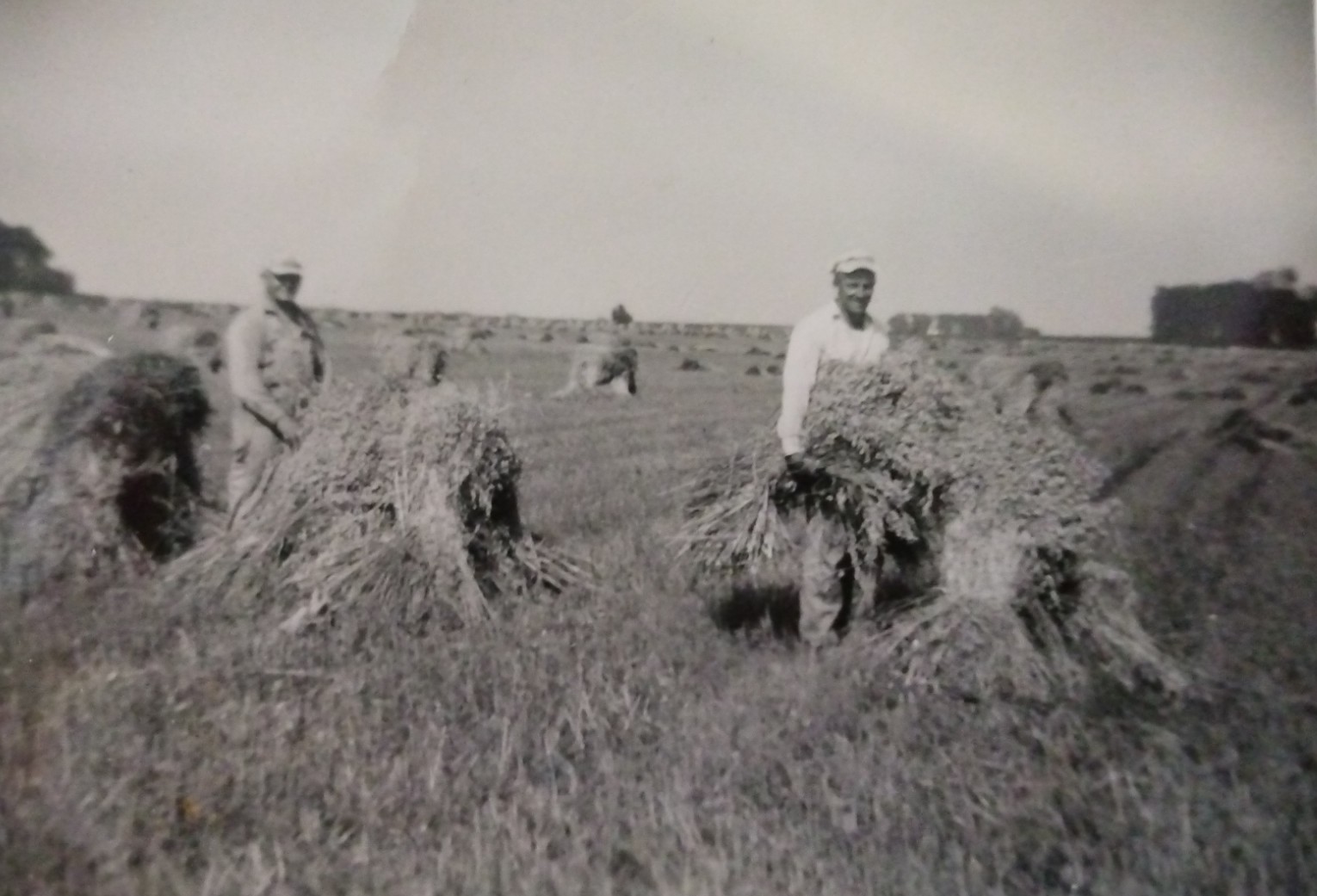
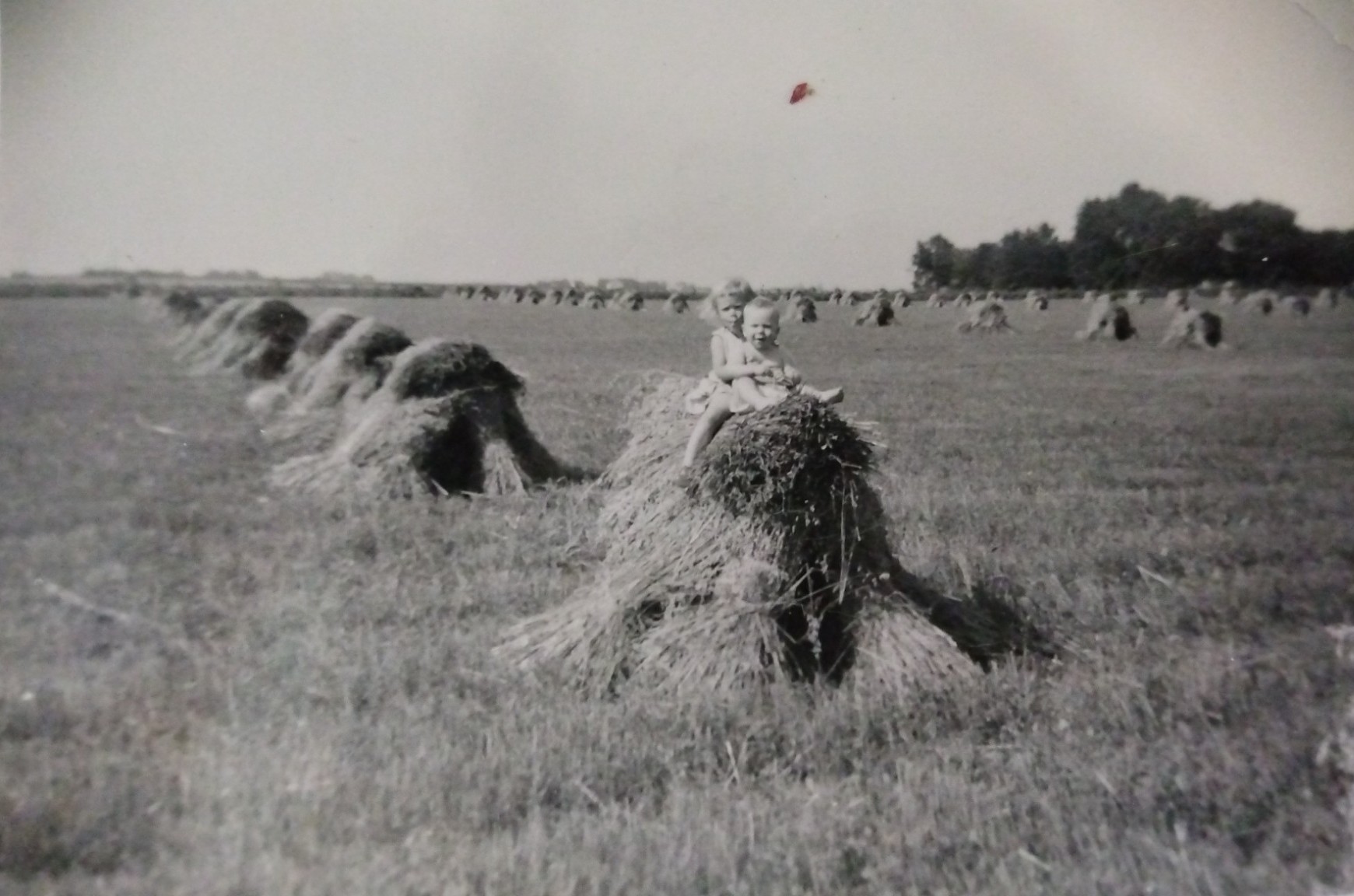
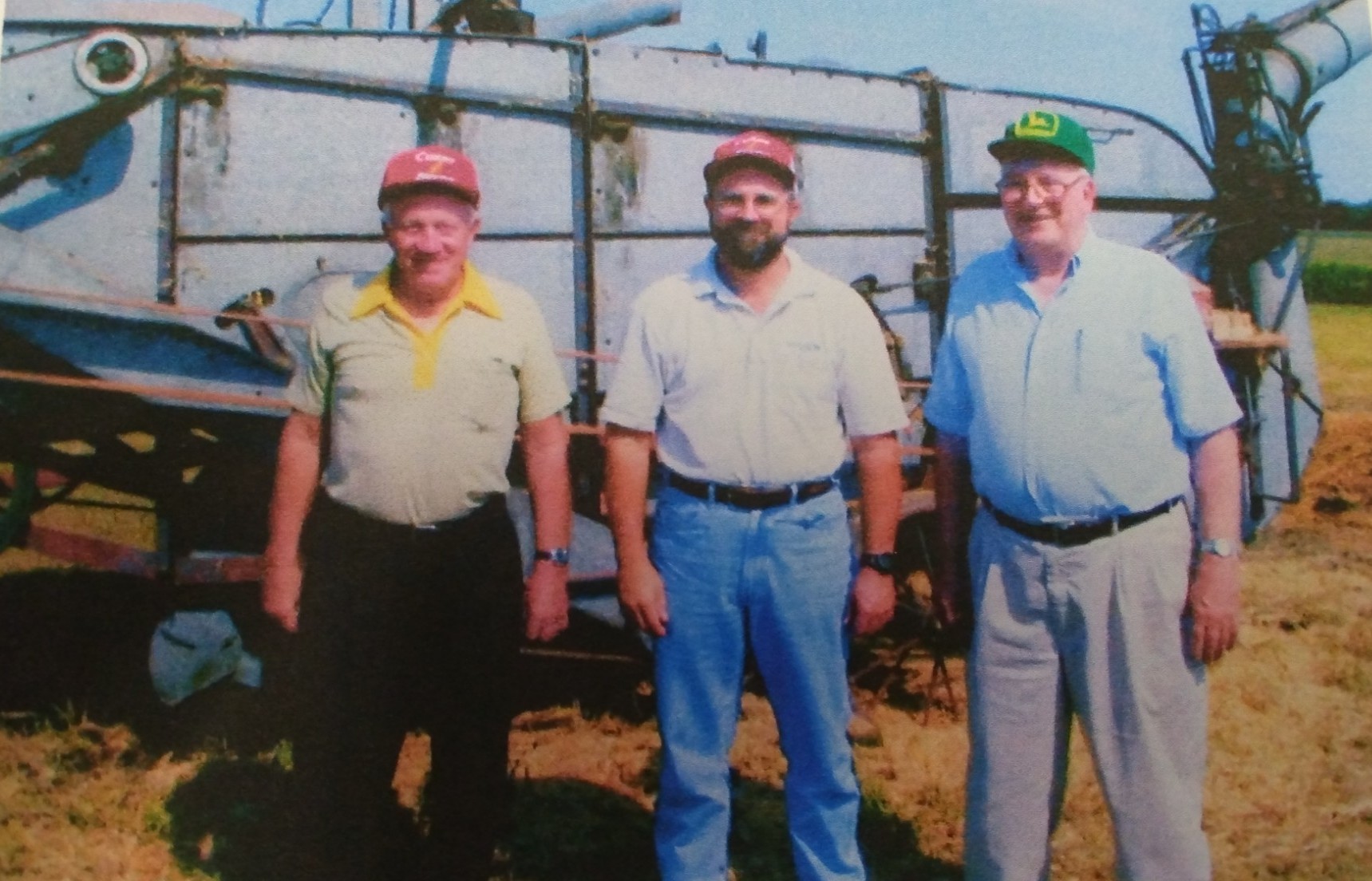
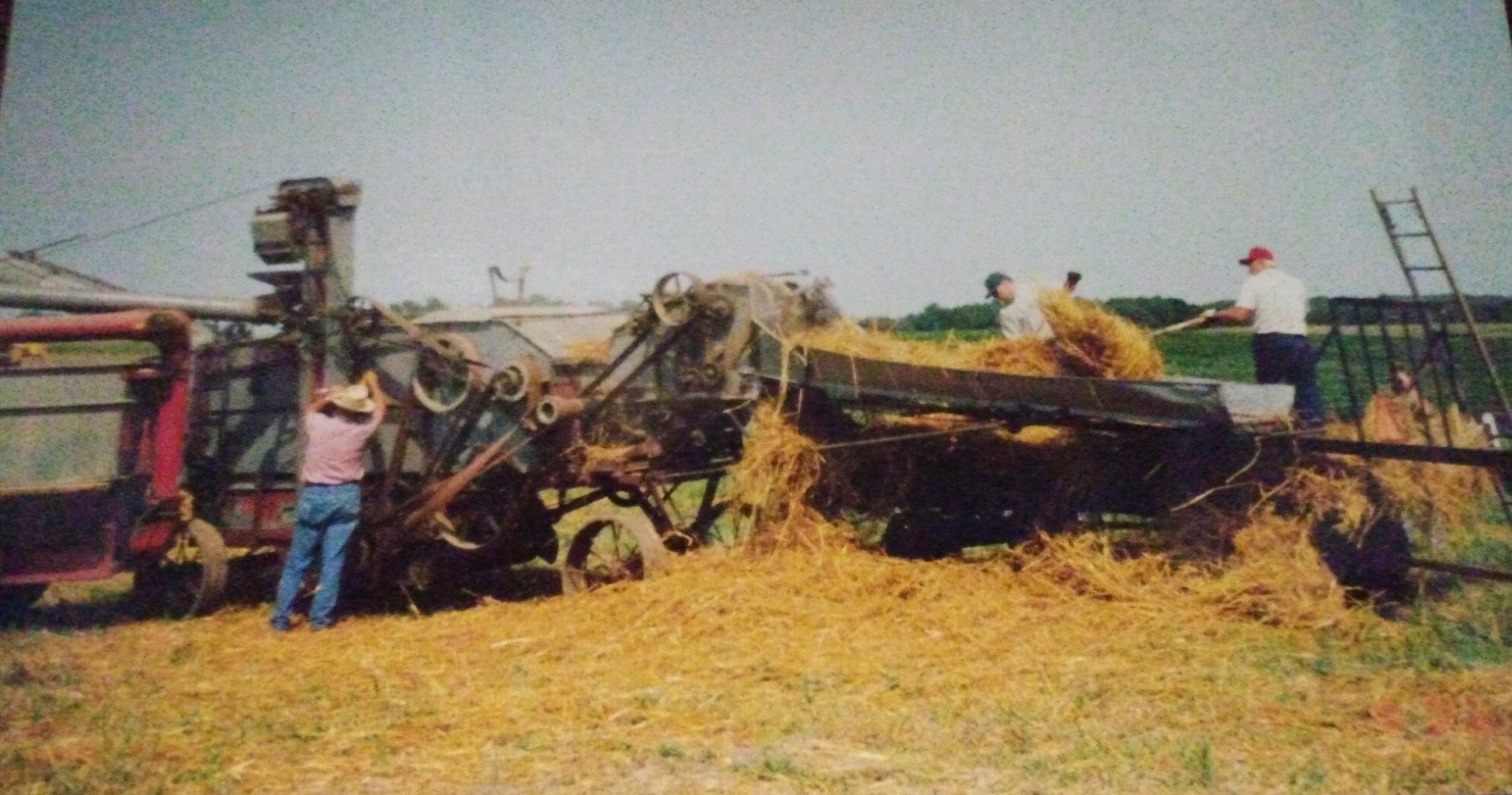
While Emil was the operator, he purchased a threshing machine for threshing oats for himself and for other neighbors for custom hire. At some point, he traded it for a larger Minneapolis Moline 32”-cylinder model onto which you could throw bundles from both sides of the feeder apron. This was also during the depression, and some of the neighbors could not pay him for the threshing he had done. He could not make the payment to the individual he had borrowed the money from to buy the machine. The individual thought he was going to be able to get the machine back and resell it and make more money from the sale of it. However, a banker from the Union State Bank in Rockwell City was willing to loan him the money, and he surprised the individual when he came in to pay him off. After 50 plus years in the machine shed, we finally donated the threshing machine several years ago to the Hardin County Farm Museum for their annual Threshing Bee, and it is still being used today.
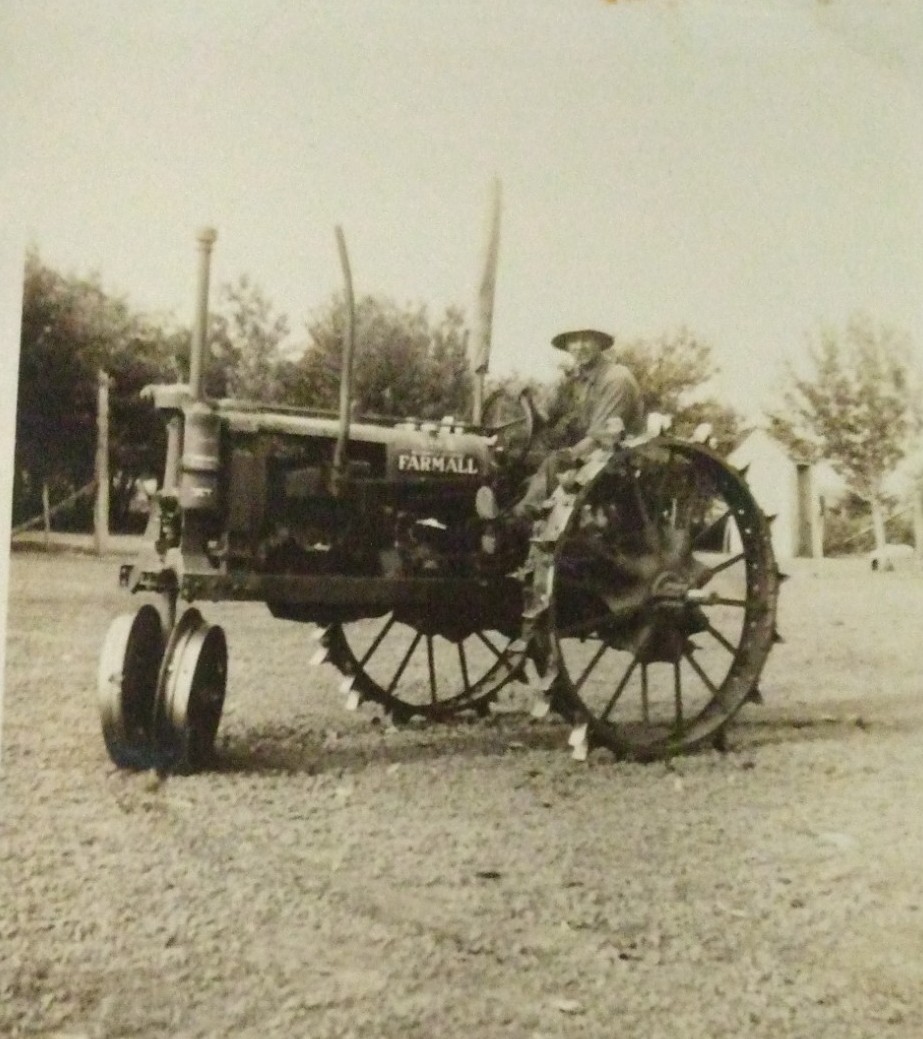
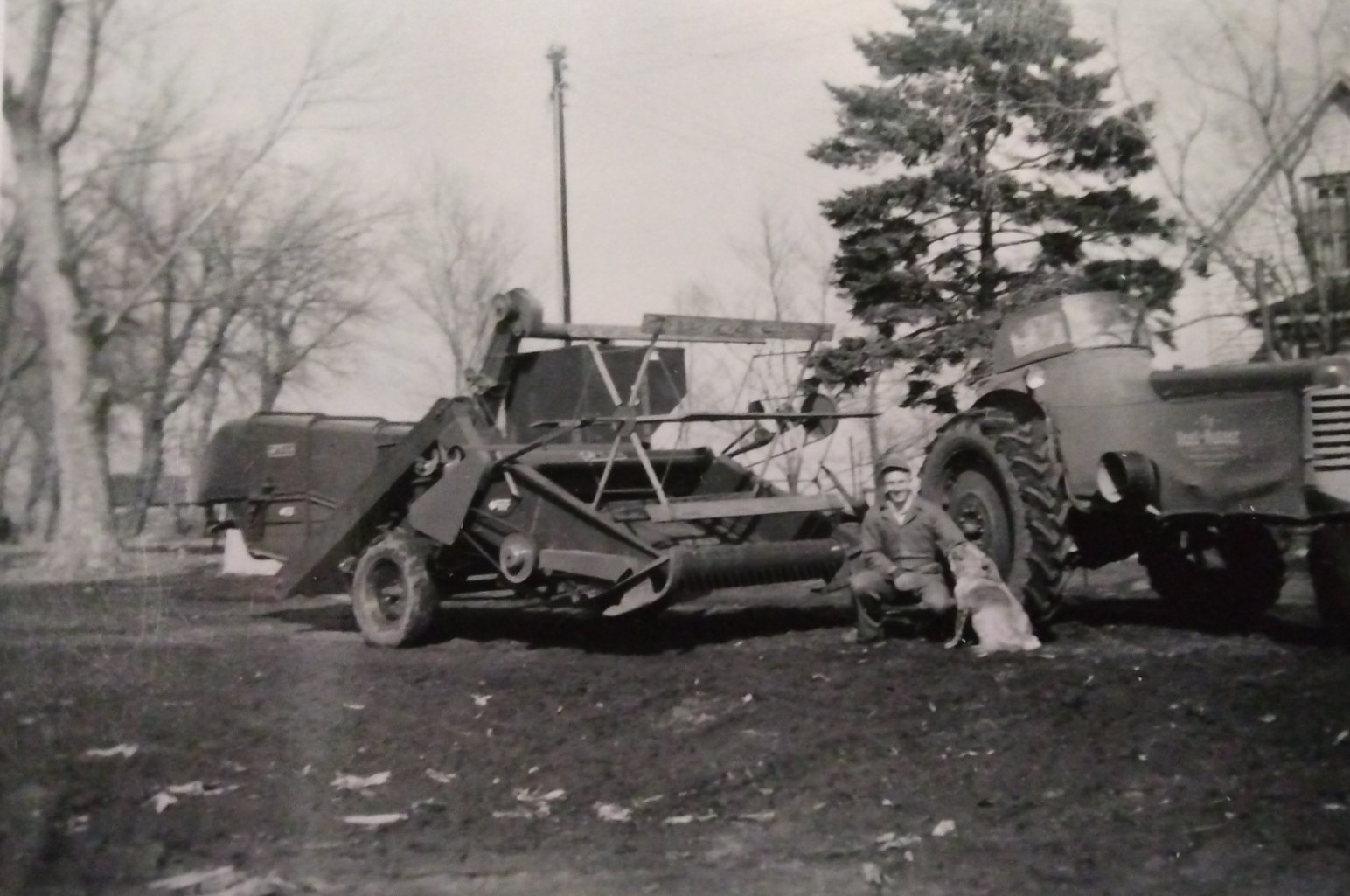
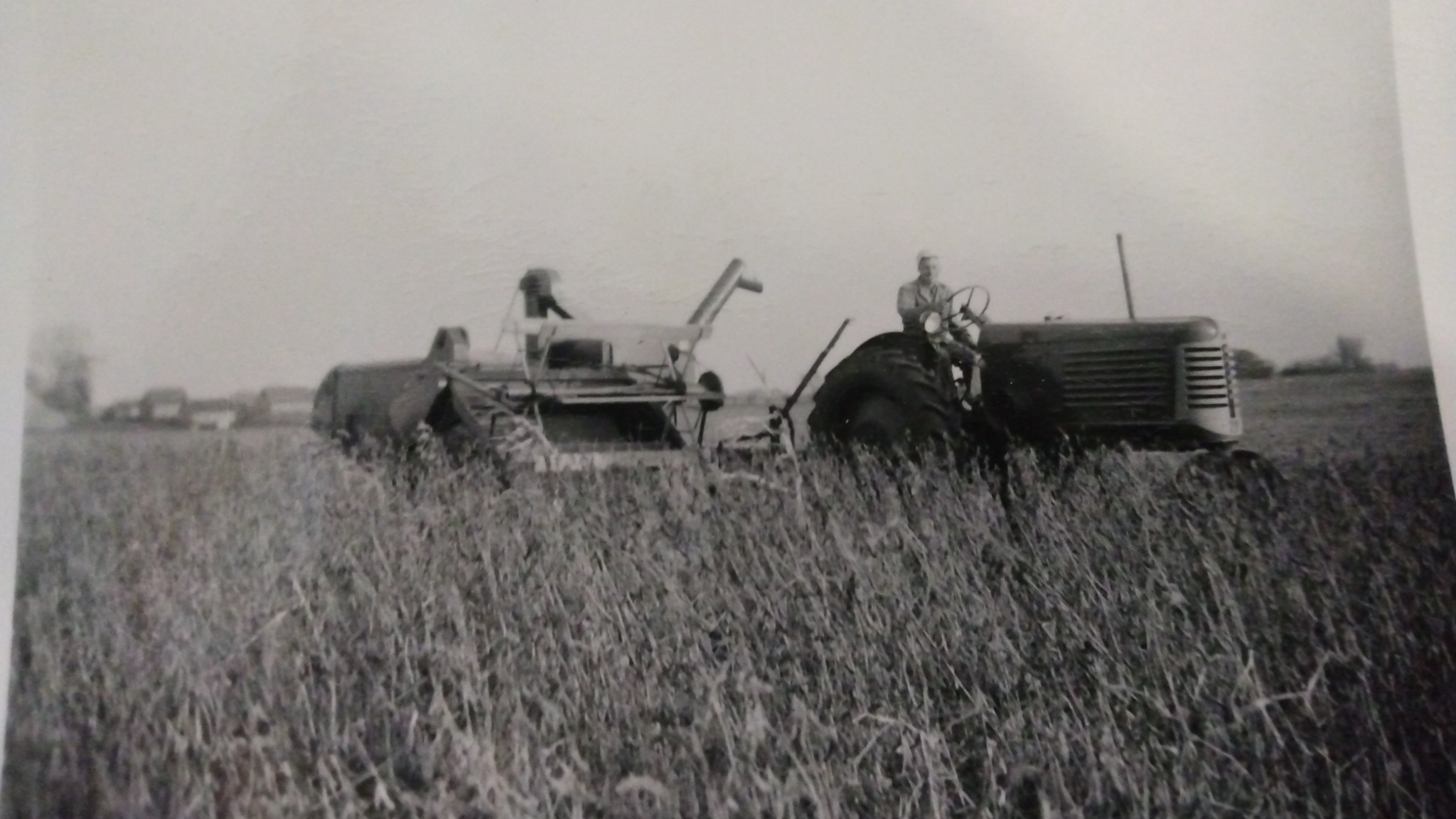
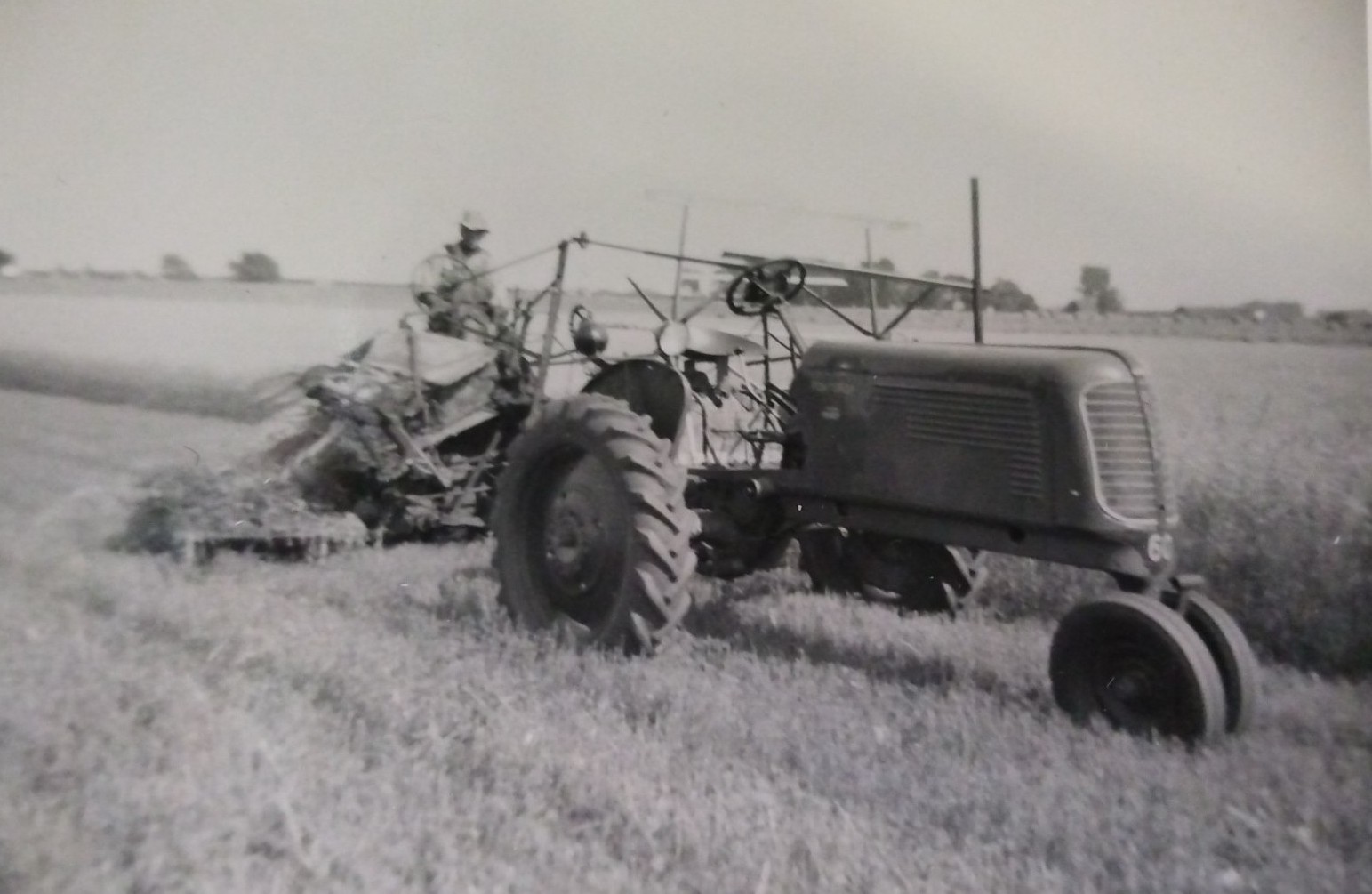
Rich was able to find and buy back the Oliver Hart-Parr 28-44 that last ran the machine for the Bahls farm operation. It would be fun to pair the two machines up again.
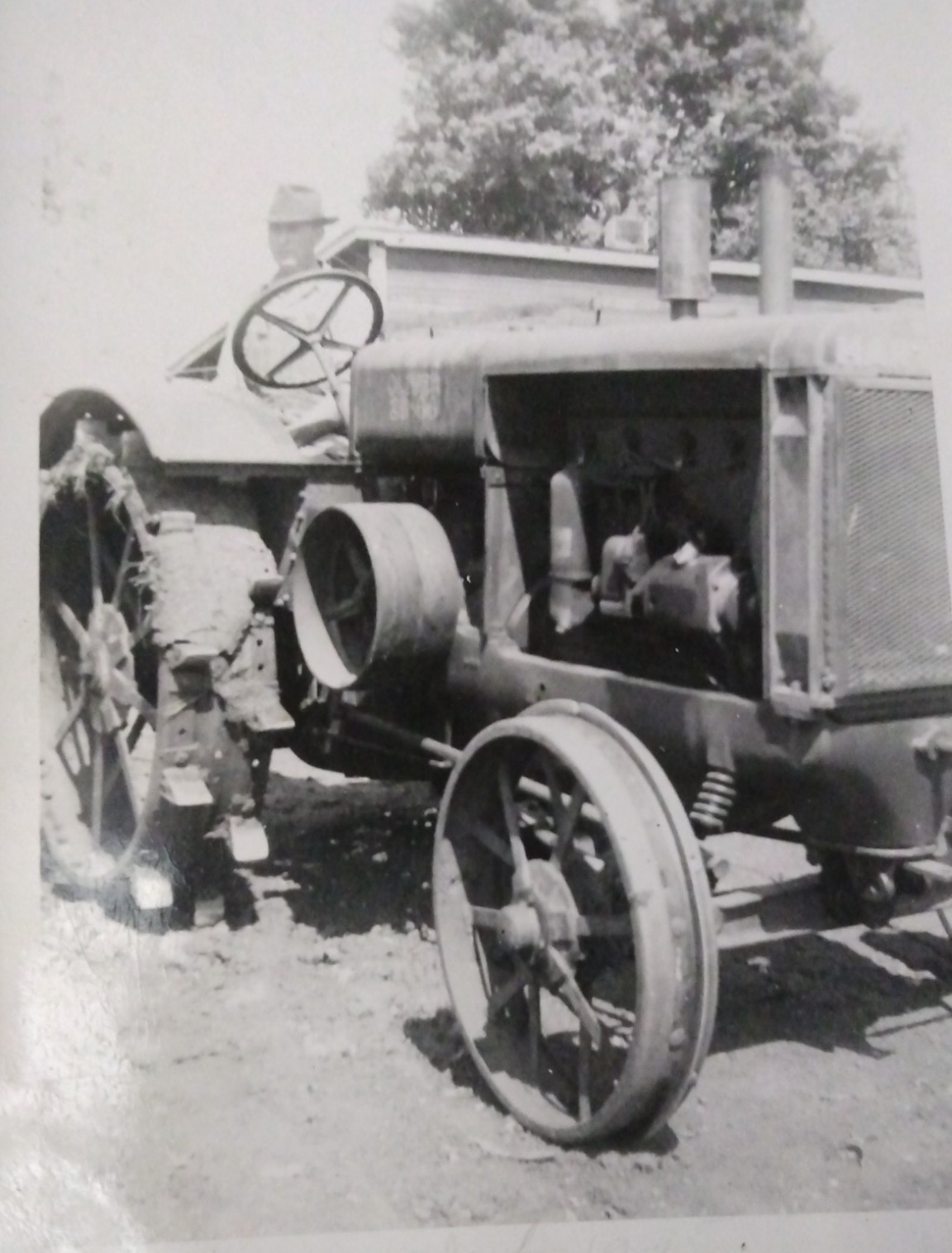
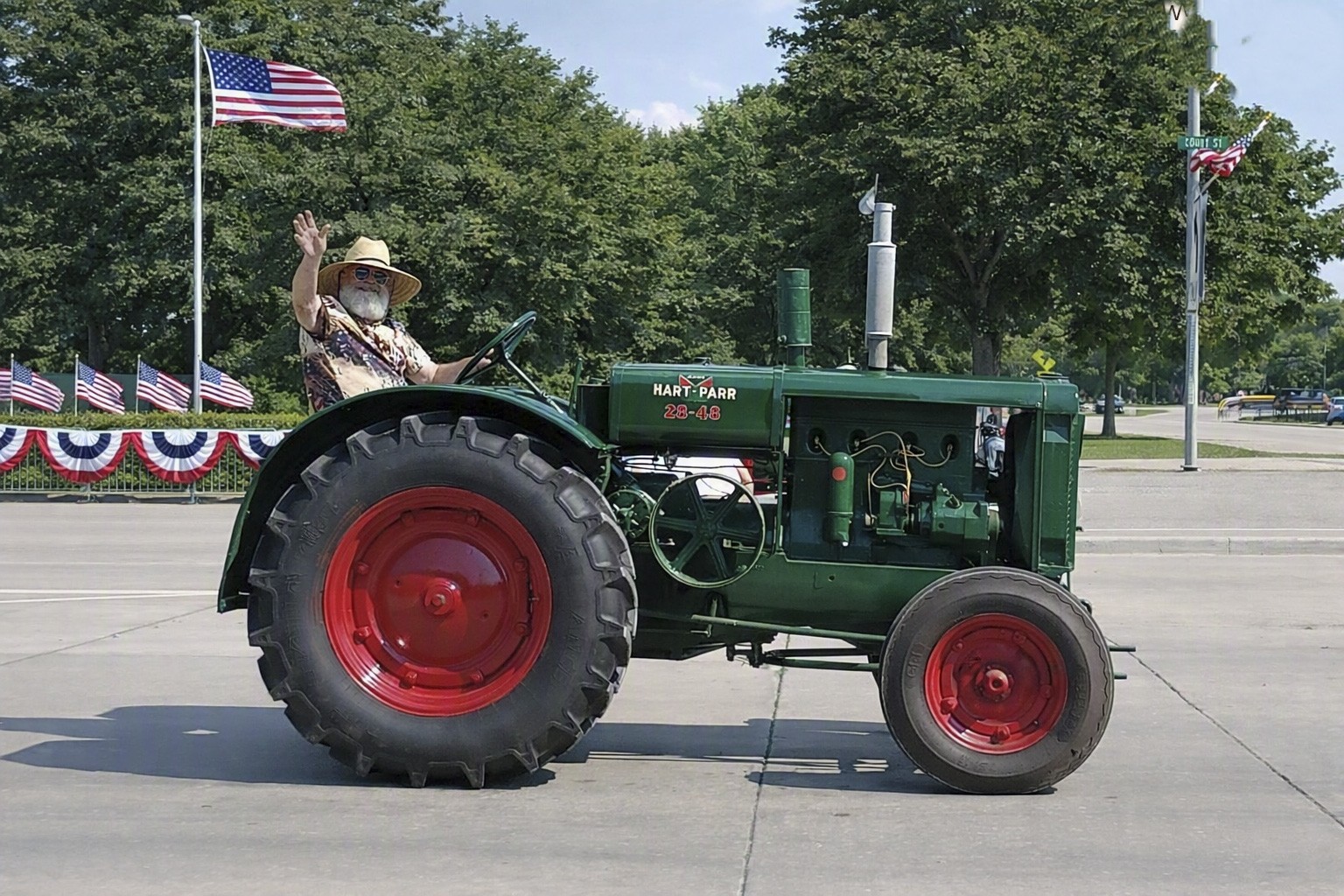
Of the 3 farms that Emil went to great physical, financial and emotional sacrifice to save during these difficult times, one was purchased by his brother, Elmer, the 115 acres ended up being inherited by Emil’s son Howard, and the one that included the original 80, was passed to Emil’s son, Roger. Initially, the farms were purchased by Emil, Elmer, and Bertha. In order for them to do that the other brothers and sisters of Emil and Elmer had to be paid for their shares in the farms. There was not much value at that time since the family was about to be left with nothing after the Land Bank took all the land. At the time, the amount paid to the other offspring was more than they would have received if the land went to the Land Bank.
Roger rented another 160-acre farm on the north side of the Heritage farm’s section for several years before Emil gradually retired and Roger was able to rent the Heritage farm and the 115-acre farm from Emil and his wife, Esther. During Roger’s early farming years, he worked in the Calhoun County ASCS (Agricultural Stabilization and Conservation Service) in different capacities, lastly as Compliance Officer. His wife Phyllis worked in the SCS (Soil Conservation Service) office for about 27 years. Both were necessary because the farm operation was not large enough from which to make a full living during times of rising costs of living and very marginal returns from farming. Roger started feeding cattle in 1967 when his crops were completely hailed off June 27th. He replanted both corn and soybeans. The beans only made about 20 bu./acre and the corn did not mature enough to harvest as grain.
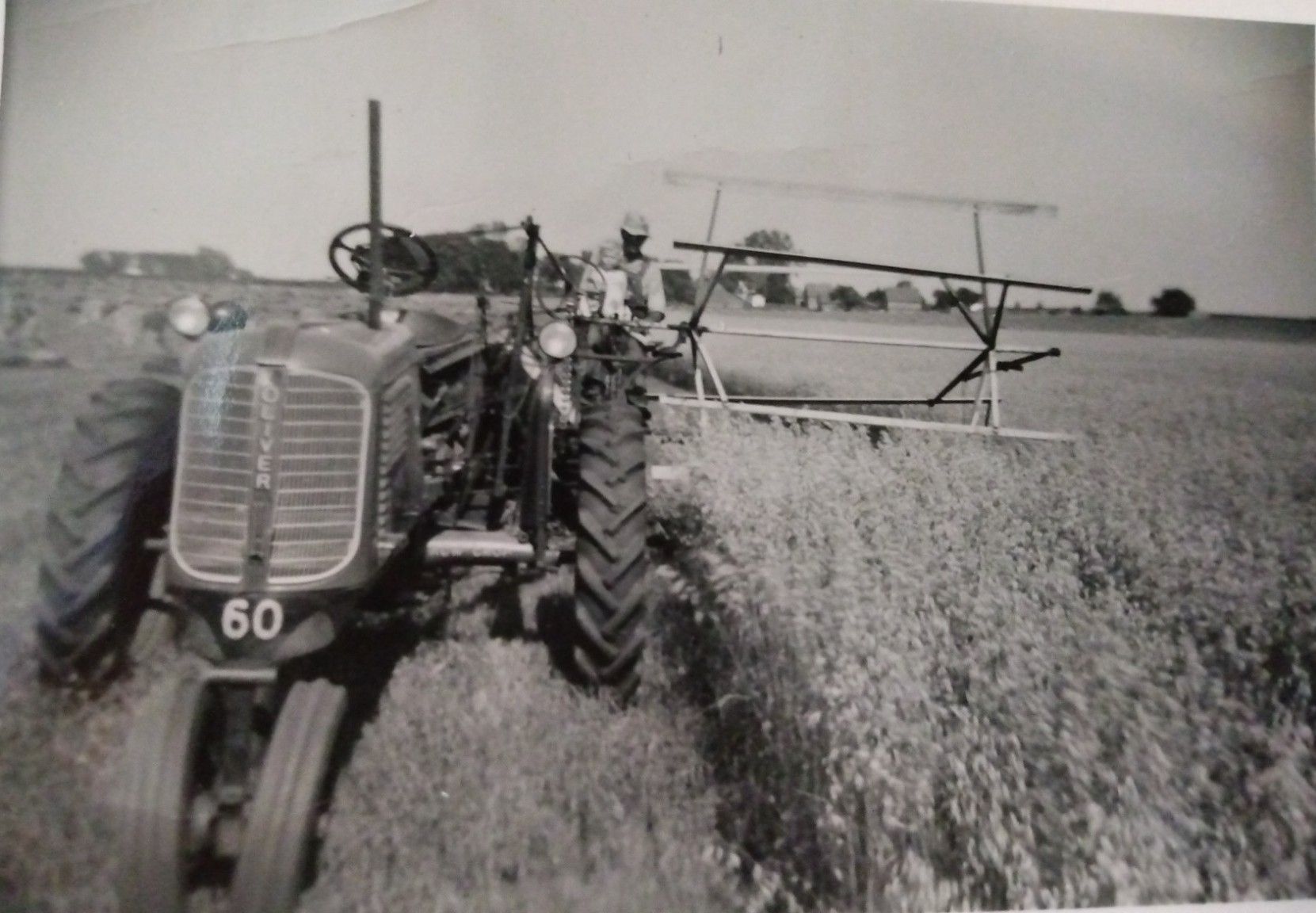
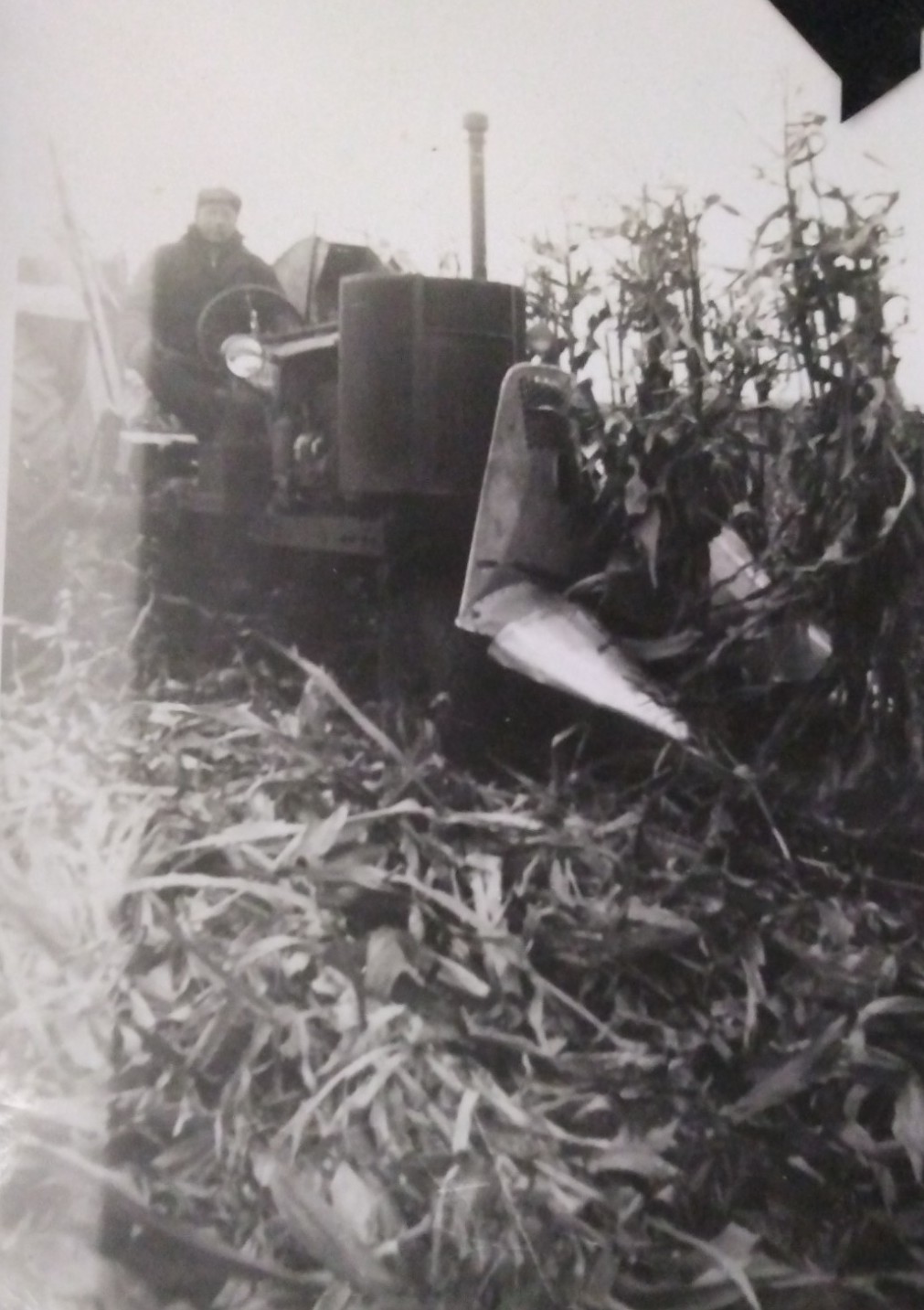
So, he bought a single-row New Holland silage chopper and chopped all the corn into a pile. He bought one load of calves from Kentucky and fed them out. We still had some ear corn left in the crib, and we ground it and added it to the silage. We brought our Oliver 550 and loader bucket over to the silage pile, tried to break loose some corn silage and scoop it on by hand shovel. Most of the time, we had to use a pickaxe to break it loose before shoveling the silage onto the loader. Then, we leveled off the silage and drove over to the feed shed (the original house) and carried on a certain number of buckets of ground ear corn and then spread a measured number of pounds of protein. Then we drove over to the cattle feed floor and raised the bucket over the fence and scooped it off, spreading it as evenly as possible while the cattle were fighting to eat it up as fast as they could compete with their lot mates for the feed! It was a challenge for everyone involved!
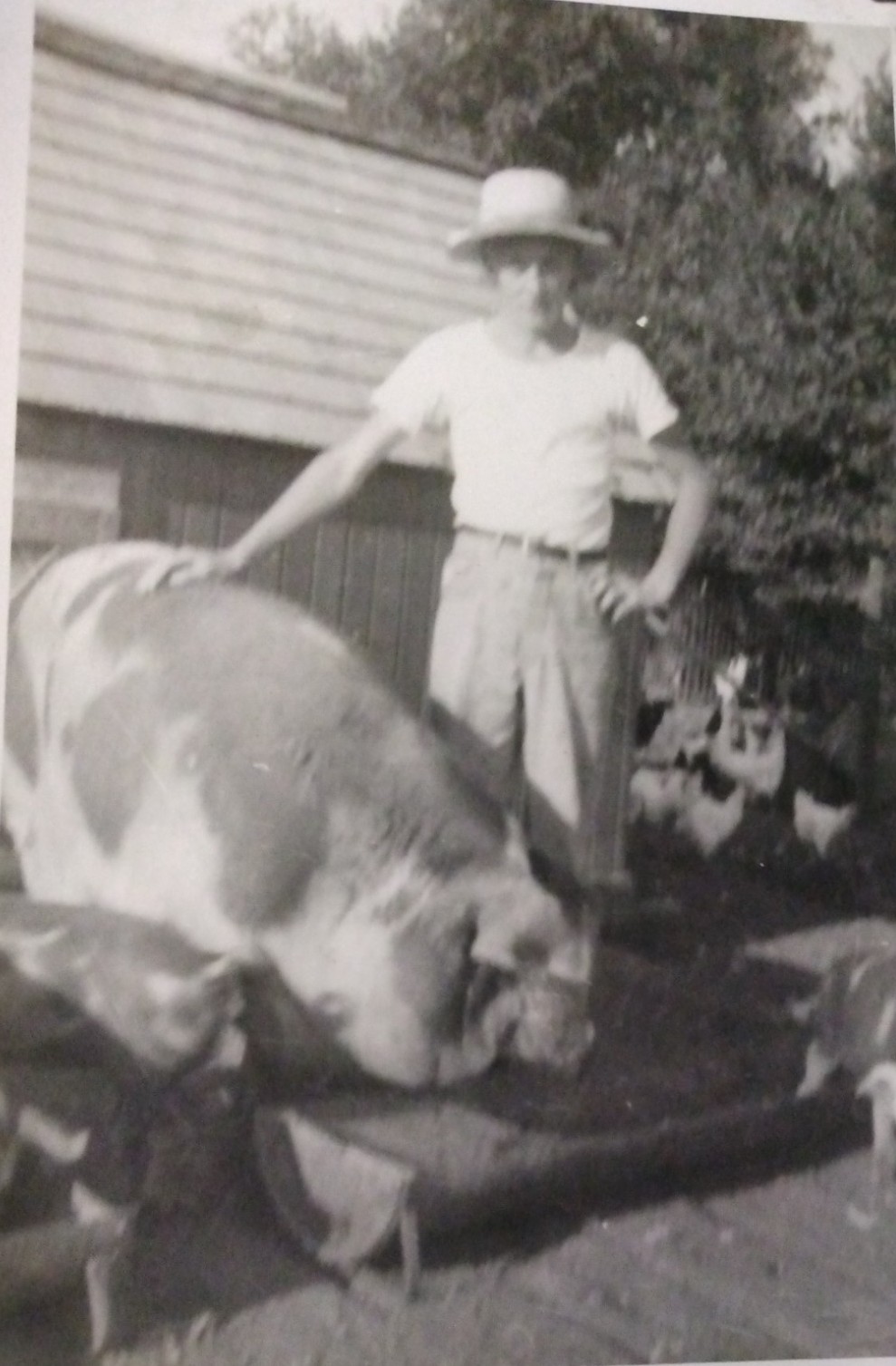
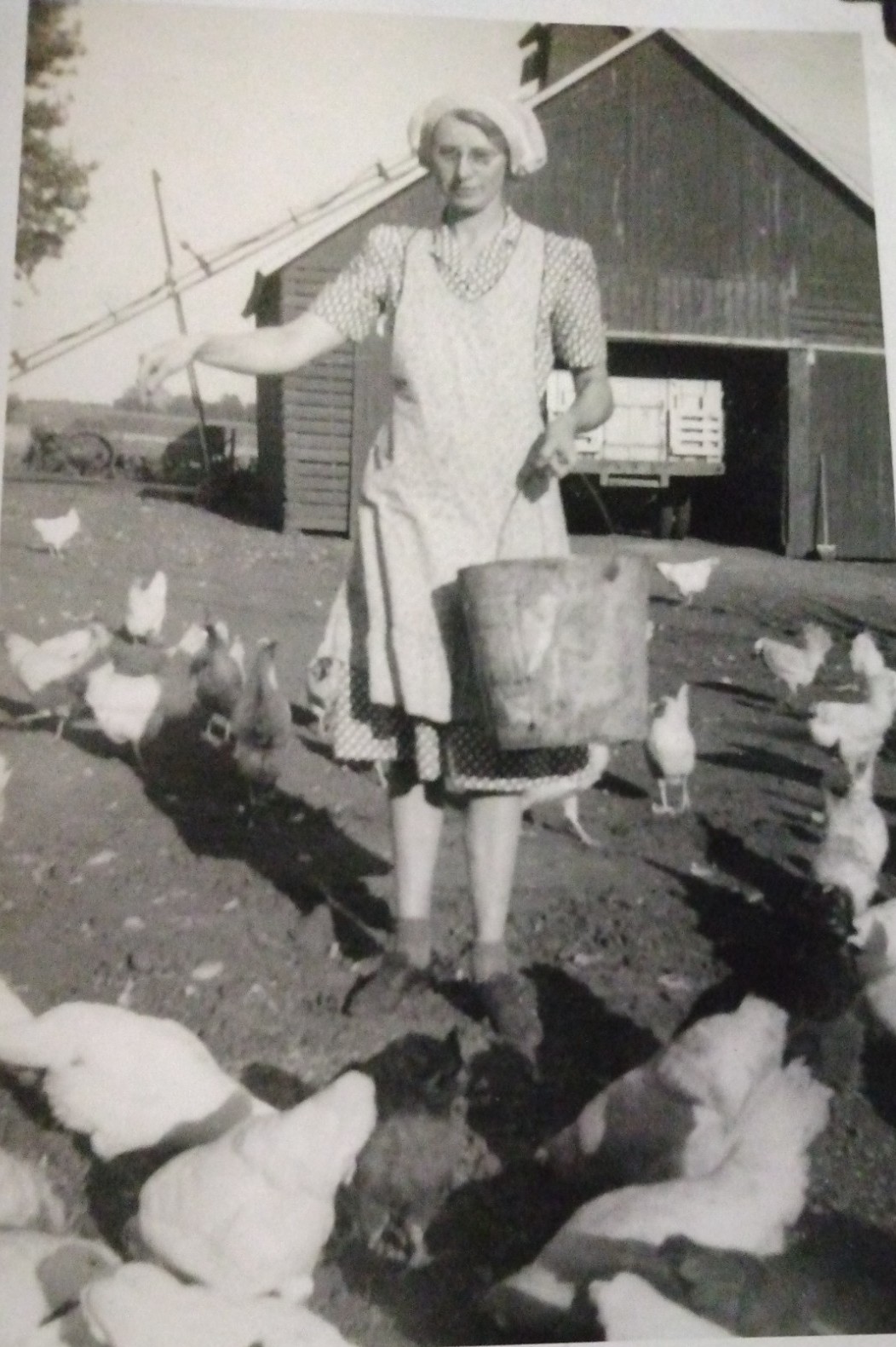
We also had 15 sows we farrowed twice a year and a 500 head hen breeding flock. Son, Richard, helped with all the livestock. Daughter, Janice, helped gather and process the eggs for sale to the hatchery, and Phyllis fed the chickens and did many other chores as needed around the farm. Daughter, Brenda, came mostly after the chicken operation had ended, but was willing and able to help hold baby pigs for castration.
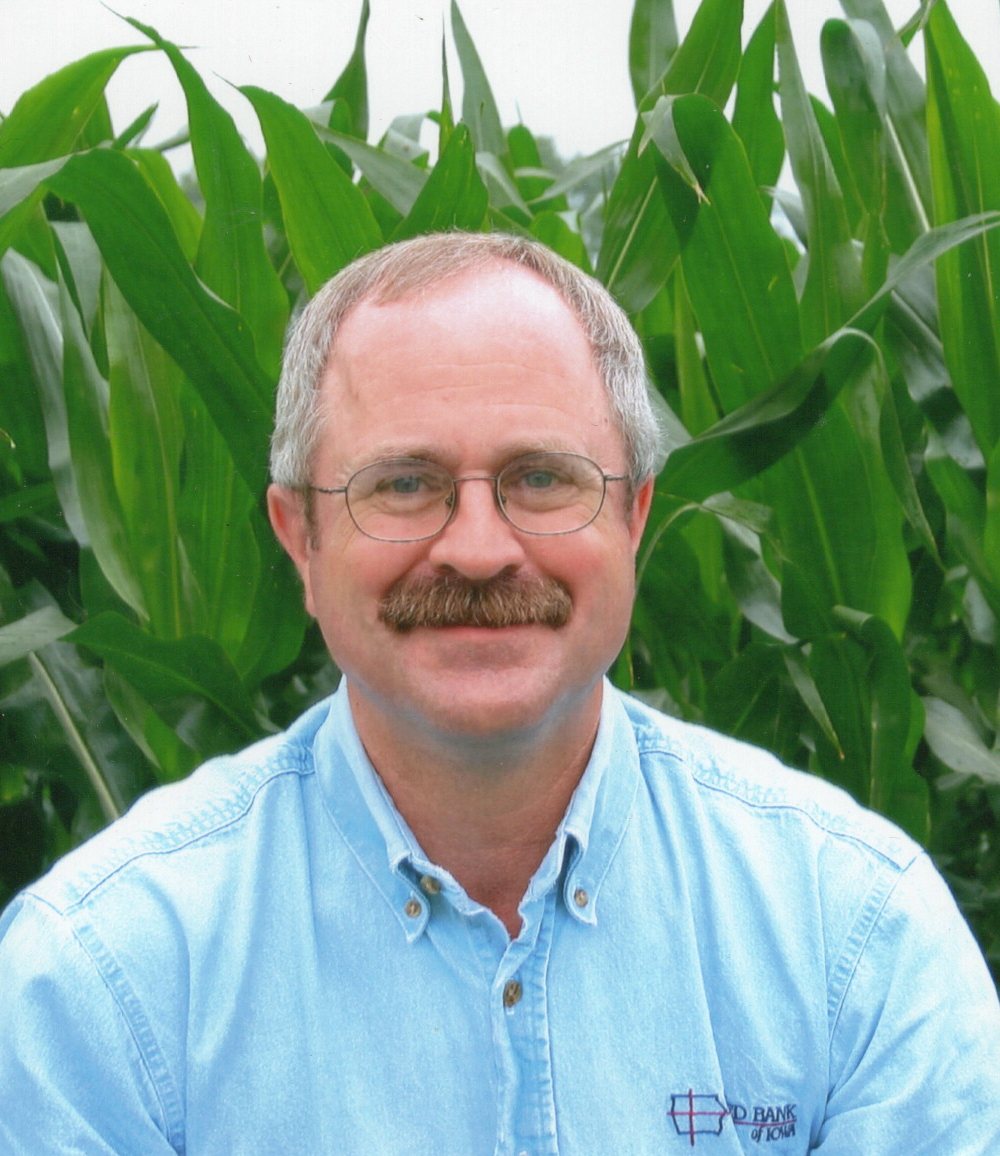
Richard graduated from Iowa State University in 1976 with a bachelor’s degree in Agricultural Business and minor in Farm Management. After working 5 years in farm management for Doane Agricultural Service, he started his 35+ year career as an Ag Lender. His banking years were at banks in Rockwell City, Somers, and Fort Dodge. During all those years, he was able to help after hours, weekends, and vacations on the farm. During planting and harvest seasons, many evenings were spent in the field until 1 or 2 a.m. Over the years, it had become apparent that early planting and timely harvest could pay big dividends at the end of the year. As with all successful family farms, a supportive and understanding family can be critical, and Rich was blessed with one. There were many times when Rich or Roger could not be around, that Phyllis might drive the baler. And Rich’s wife, Deb drove the baler, chopper, CAT Challenger or JD 8870 on the field cultivator or ripper, and the JD 4430 on the disc or stalk cutter. Anything that helped keep things running when needed.
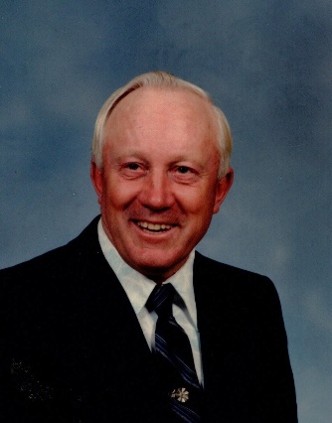
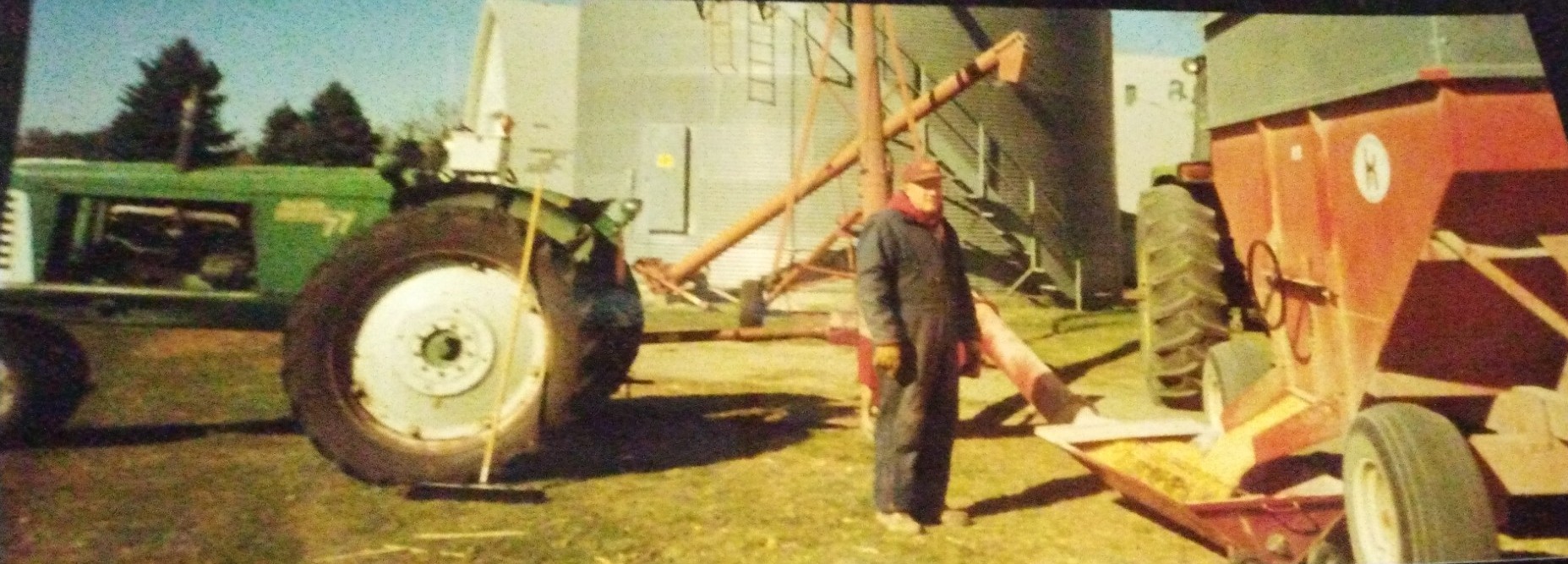
Roger retired formally as the operator after the 2005 crop year, and Rich was listed as the operator in 2006. As with many family farm operations the retiring person still wants, or is willing to, continue helping as much as they can. Roger was 89 years old the last year he ran the combine. It was hard for him to climb an upright ladder, but he had us lean a step ladder against the combine platform, so he did not have to raise his arms above his shoulders. It was painful for him to raise his arms above his shoulders. Roger found great self-worth in being able contribute toward the farming effort. The continuation of the farm meant a great deal to him. He, as well as Rich, could see the great sacrifices made by their ancestors to assemble and continue this family heritage farm. It is Rich’s deep desire that his heirs, and all those to follow, will continue to respect this 150+ year, hard fought for heritage, for future generations.
So as you enjoy this bottle of bourbon, toast to many more generations of the Bahls family ownership of this great Iowa farmland!